Naked-Eye 3D Billboards: Cost, Process and Creative Requirements

Naked eye 3D billboard Dubai guide covering costs, CGI production, screen requirements and campaign planning. Learn what your brand needs before launch.
Naked-Eye 3D Billboard Dubai: Cost, ROI, Process and Creative Requirements
A naked-eye 3D billboard Dubai campaign uses anamorphic CGI and a screen-specific viewing perspective to make products, characters, or environments appear to extend beyond an LED display, without glasses or an app.
For brands, however, the bigger question is not simply:
How much does a 3D billboard cost in Dubai?
It is:
How much marketing value can the creative production generate beyond the screen itself?
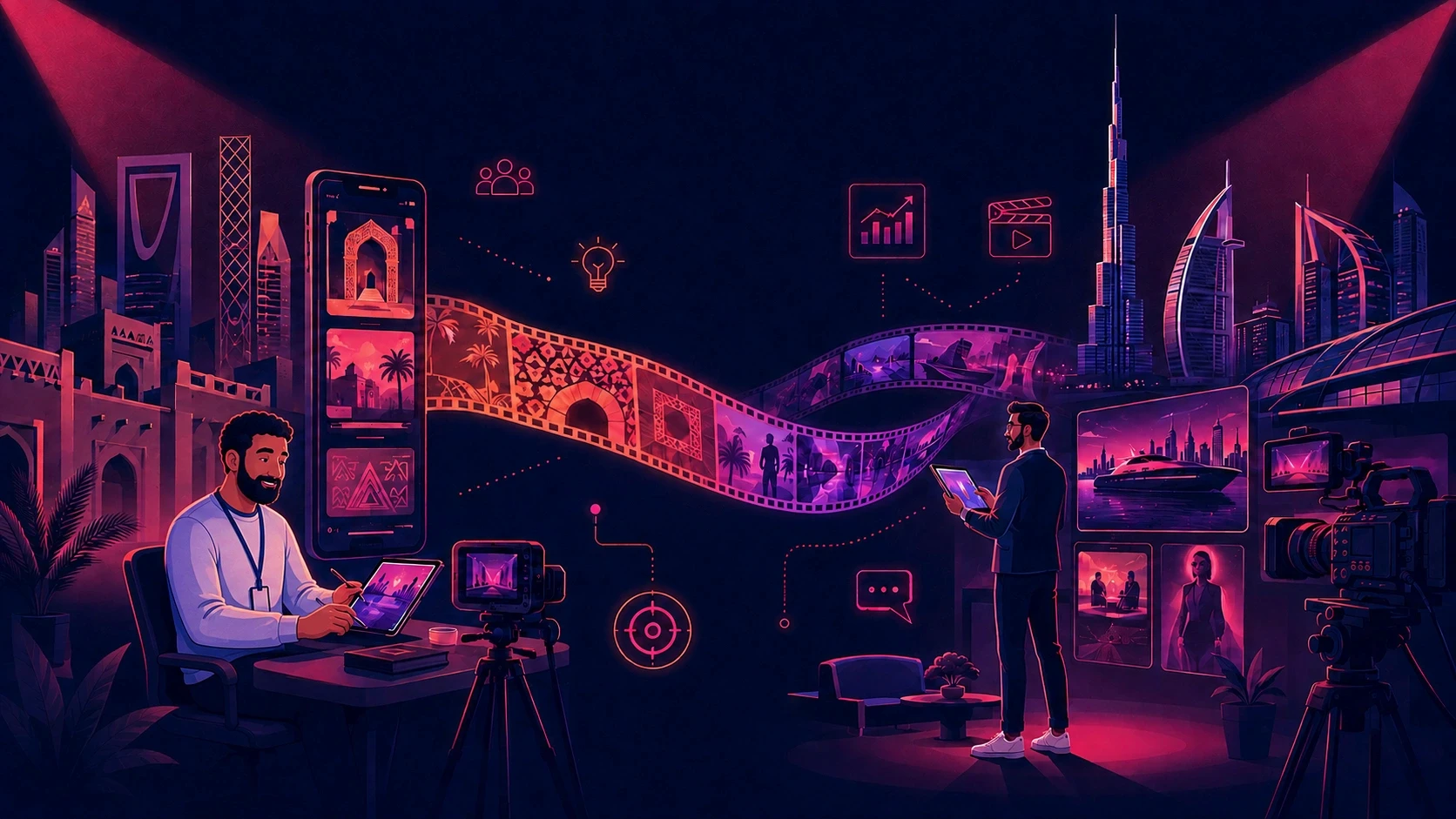
At Animus, we approach naked-eye 3D as more than a billboard format. It is a creative production opportunity that can connect CGI, animation, VFX, social content, AI creative production and campaign strategy.
A single anamorphic production can potentially become:
A naked-eye 3D billboard
Social videos
Paid-media creative
Vertical video
Product visuals
CGI assets
PR content
Website content
Campaign extensions
Future creative variations
That changes how brands should think about the production budget.
Instead of treating anamorphic CGI as a one-off advertising expense, the production can be planned as a reusable creative investment.
Animus's CGI and naked-eye 3D production combines this type of visual production with motion graphics, social video, VFX, filming, post-production and AI creative technology.
This guide explains how naked-eye 3D billboards work, what determines their cost in Dubai, how Animus approaches the production process, how brands can improve ROI, and where AI can support the workflow.
What Is a Naked-Eye 3D Billboard?
A naked-eye 3D billboard is a digital outdoor display that uses perspective-engineered CGI to create the illusion that objects extend beyond the physical boundaries of the screen.
The effect is designed around a primary viewing area known as the sweet spot.
A virtual CGI camera is aligned with that viewpoint, while the scene is constructed and distorted to match the display's physical dimensions and geometry.
From the intended position, a product may appear to emerge from the building, a character may lean beyond the perceived frame, or a virtual environment may appear to continue behind the LED surface.
Outside the intended viewing area, the illusion can appear flatter or distorted.
This is what makes naked-eye 3D different from simply placing a 3D animation on a digital billboard.
The creative has to be designed for the screen.
At Animus, naked-eye 3D sits within a wider CGI and animation production capability. The Animus Studio service offering specifically includes CGI & Naked Eye 3D Videos for billboards, events and immersive brand experiences.
Why Dubai Brands Use Naked-Eye 3D
Dubai provides a strong environment for large-format digital advertising, particularly for launches, activations, entertainment campaigns, premium products and visually driven brand experiences.
But the commercial value of the format does not have to stop when the billboard campaign ends.
A strong production can become:
3D billboard → social reveal → vertical video → paid ads → CGI product content → PR → website → campaign extensions
This is where Animus's production model becomes particularly relevant.
The objective is not simply to create an impressive billboard.
It is to create a hero creative system that can support multiple marketing outputs.
For brands considering CGI more broadly, Animus's guide to CGI advertising explains why CGI becomes more valuable when its underlying assets can be reused across different campaign formats.
How Does a Naked-Eye 3D Billboard Work?
The illusion works by matching a virtual camera and CGI scene to the geometry of a real LED display and its intended viewing position.
Four elements need to align:
Display geometry: The screen's physical dimensions, pixel canvas, aspect ratio and corner configuration.
Viewing position: The area from which the illusion should appear strongest.
Virtual camera: The digital camera corresponding to that viewpoint.
Anamorphic scene: The CGI environment and objects distorted specifically for the display.
A standard CGI film can be created for a rectangular canvas such as 16:9.
An anamorphic billboard is different.
It is screen-specific.
A visually impressive animation can still fail if it was produced using incorrect dimensions, camera positioning, viewing angles or display geometry.
Corner LED installations can create particularly interesting opportunities because multiple visible surfaces can make the display feel like a physical architectural volume.
However, simply placing ordinary CGI across a corner screen does not automatically create convincing 3D.
The illusion has to be engineered into the creative.
What Does a Naked-Eye 3D Billboard Cost in Dubai?
There is no universal 3D billboard Dubai price.
The total investment depends on both media and production requirements.
A complete campaign may include:
Media Placement
This covers the actual screen exposure, scheduling, campaign duration, frequency and audience.
Media pricing should be requested from the relevant media owner or outdoor-media provider because availability and packages change.
Creative Development
This can include:
Concept development
Creative direction
Script
Storyboard
Previsualization
Art direction
Creative testing
The idea matters because anamorphic 3D should serve the campaign rather than exist purely for spectacle.
CGI Production
CGI costs can include:
3D product modelling
Character creation
Environment development
Animation
Materials
Lighting
Simulations
Rendering
Compositing
VFX
Animus's approach combines these production disciplines rather than treating CGI as an isolated effect.
For brands comparing Dubai production budgets, our 3D animation cost Dubai guide provides a broader breakdown of how asset creation, animation complexity, rendering and post-production affect 3D production budgets.
Anamorphic Engineering
This is one of the defining technical requirements.
Production may need to account for:
Camera calibration
Display mapping
Screen geometry
Perspective
Viewing position
Safe areas
Corner configurations
The objective is to make the CGI work correctly from the intended viewing location.
Post-Production
Post-production may include:
Rendering
Compositing
VFX
Color
Cleanup
Mastering
Campaign Adaptations
Additional assets can include:
Social videos
Vertical edits
Product visuals
Paid-media variations
Website content
PR assets
Localized versions
The more useful outputs a production generates, the greater its potential marketing value.
Testing and Delivery
Technical validation can help identify problems before launch.
Depending on the screen and production requirements, testing can involve:
Resolution
Playback
Perspective
Timing
Safe areas
Product visibility
Contrast
Viewing angle
LED Infrastructure
LED hardware is a separate investment when a brand is installing or commissioning a display rather than using an existing outdoor screen.
The important budgeting principle is:
Do not evaluate CGI production cost separately from the number of marketing assets it can generate.
How Animus Approaches the Cost of a 3D Billboard Campaign
At Animus, we would not recommend starting a project with only one question:
"How much does the billboard cost?"
The better question is:
"What creative system are we building, and how many useful outputs should it generate?"
A production budget can be considered across:
Strategy → Concept → CGI → Anamorphic Production → Post-Production → Social Adaptations → Campaign Extensions
This makes it easier to compare production proposals.
For example, a quote for a 10-second billboard animation may appear inexpensive until you discover that it does not include:
Product modelling
Revisions
Social adaptations
Vertical versions
Screen testing
Source assets
Post-production
Future usage
A production partner should make the scope clear before production begins.
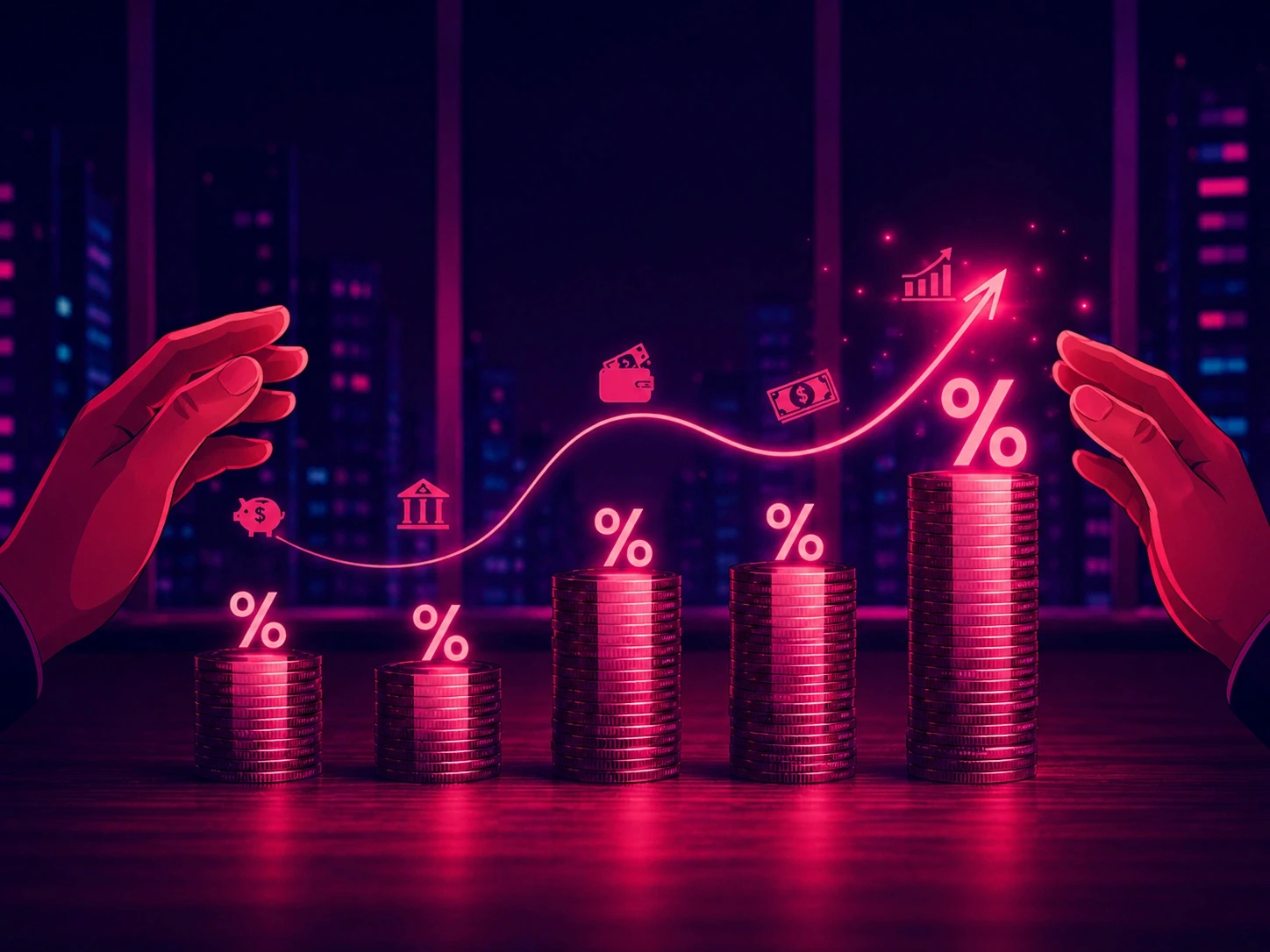
How to Calculate the ROI of a 3D Billboard Campaign
A useful starting point is:
Campaign ROI = Total measurable campaign value ÷ Total campaign investment
Investment can include:
Media + CGI + creative development + anamorphic engineering + post-production + adaptations + testing
Campaign value depends on the objective.
For awareness, useful measurements may include:
Reach
Impressions
Video views
Engagement
Search activity
Social mentions
Earned media
Brand-lift indicators
For a product launch, brands can additionally track:
Website traffic
Product-page visits
QR scans
Leads
Enquiries
Store visits
Conversion rate
Sales
The objective should be defined before production, because the creative concept and deliverables should support the metric being measured.
Animus recommends establishing the objective before deciding on the production method. Its video production brief guide covers the importance of defining the audience, desired viewer action and video format before production.
How to Increase the ROI of a Naked-Eye 3D Billboard
The biggest opportunity is to stop thinking about the campaign as one billboard video.
Think of it as a content-generation system.
1. Turn One CGI Production Into Multiple Assets
Instead of producing one anamorphic master and ending the campaign there, plan additional deliverables from the beginning.
A single production can potentially generate:
Anamorphic billboard master
Vertical social videos
Instagram Reels
TikTok videos
YouTube Shorts
Product close-ups
Paid social ads
Product renders
Website visuals
Ecommerce content
Short animations
Stories
PR graphics
Alternative edits
Localized versions
This increases the marketing output per production investment.
Animus's CGI production philosophy follows the same principle: build strong underlying creative assets that can support more than one final video.
2. Build the Creative Around the Product
A spectacular effect does not automatically create business value.
The product should remain recognizable and memorable.
Strong concepts can use anamorphic space to:
Reveal a new product
Demonstrate product scale
Show a transformation
Visualize a product benefit
Create an impossible environment
Introduce a new character
Turn packaging into a visual experience
The best creative makes the audience remember the brand and the idea, not simply the fact that they saw an impressive screen.
This is one reason Animus approaches CGI as advertising production rather than visual effects alone.
The CGI should serve:
The brand → the product → the campaign idea → the audience → the business objective.
3. Plan Social Distribution Before Production
A common mistake is creating the billboard first and asking later:
"Can we make this into a Reel?"
That can create unnecessary cropping, reframing and additional production.
Instead, identify the required outputs during preproduction.
The hero CGI environment can then be designed to support:
DOOH
9:16
1:1
16:9
Website
Paid advertising
PR
Product content
Animus Studio's social video and post-production capabilities make this multi-format planning part of the wider production workflow rather than an afterthought.
4. Maximize Asset Reuse
High-quality 3D assets can require significant time and resources.
Once created, however, the same product model, character, environment and materials can potentially support multiple scenes.
That creates an important ROI advantage.
Instead of:
Campaign 1 → rebuild everything
Brands can work toward:
Campaign 1 → approved assets → Campaign 2 → new scenes → new formats
The more useful campaign assets can be reused, the greater the potential value of the original creative investment.
This is also why Animus treats CGI production as part of a broader creative system.
5. Protect Product and Brand Consistency
Inconsistent packaging, logos or characters can reduce campaign quality and create expensive post-production work.
This becomes particularly important when AI is involved.
A product may unintentionally change:
Shape
Packaging
Label
Materials
Colors
Logo placement
Proportions
The same problem can happen with characters and environments.
Consistency therefore becomes an ROI issue.
Every incorrect variation can mean additional review, regeneration, compositing or manual correction.
Animus's CGI advertising guide explores this broader shift toward controlled, repeatable creative production systems.
6. Use AI Where It Saves Time, Not Where Precision Matters Most
AI can accelerate:
Creative exploration
Moodboards
Storyboards
Previsualization
Environment exploration
Product staging
Concept variations
Social adaptations
This allows teams to test more ideas before committing to expensive final production.
However, AI should not be treated as a replacement for the technical requirements of anamorphic production.
Final delivery still requires:
Correct screen specifications
Accurate camera calibration
Display geometry
Professional CGI
Rendering
Technical mastering
Screen validation
The ROI comes from using AI to reduce unnecessary creative iteration and increase production efficiency, not from removing every specialist stage.
Animus combines traditional production capabilities with AI and creative technology, allowing brands to select the appropriate workflow for the specific scene and campaign requirement.
The Animus Naked-Eye 3D Billboard Production Process
A reliable workflow moves from:
Business objective → screen specifications → concept → previsualization → asset creation → CGI → anamorphic engineering → testing → multi-channel delivery
1. Obtain the Screen Specifications
Request the production template before final composition or animation.
The team may need:
Pixel canvas
Resolution
Physical dimensions
Aspect ratio
Corner geometry
Viewing position
Safe areas
Playback system
Codec
Frame rate
Starting without these specifications can create expensive rework.
2. Define the Campaign Objective
Determine what the audience should:
See → remember → feel → do
A product launch may prioritize awareness and product recognition.
A retail campaign may prioritize traffic.
A corporate campaign may prioritize brand perception.
A campaign without a clear objective can produce impressive visuals without a clear business outcome.
3. Develop Concepts Around the Display
The strongest ideas use the physical characteristics of the screen.
Ask:
Can the product appear to escape the screen?
Can a virtual room open?
Can architecture transform?
Can an object interact with the corner?
Can the product appear oversized?
Can the screen become part of the story?
The creative should make the anamorphic format necessary rather than decorative.
4. Build Storyboards and Previsualization
Storyboards and motion studies test:
Composition
Scale
Timing
Camera movement
Product visibility
Depth
Hero moment
AI-assisted previsualization can accelerate this stage by allowing teams to explore multiple creative directions before investing heavily in final CGI.
The objective is simple:
Find the strongest idea before spending heavily on the final production.
5. Lock Product, Character and Environment
Before generating large quantities of content, establish approved visual references.
For products, lock:
Shape
Packaging
Materials
Labels
Colors
Logo placement
For characters, lock:
Face
Proportions
Wardrobe
Hair
Style
For environments, establish:
Architecture
Lighting
Materials
Color language
Scene identity
This reduces variation and makes future campaign outputs easier to control.
6. Produce and Finish the CGI
The production team develops:
3D assets
Environments
Animation
Lighting
Materials
Simulations
Rendering
Compositing
VFX
Color
Cleanup
Outdoor visibility should guide the finishing process.
At large viewing distances, silhouette, contrast, scale and hierarchy can matter more than tiny details.
7. Engineer the Anamorphic Perspective
The virtual camera and CGI scene are calibrated against the real display.
Perspective, mapping and geometry are adjusted so the illusion works from the intended viewing area.
This is not simply a filter applied to a finished video.
The anamorphic effect must be engineered around the screen.
8. Test on the Actual Display
Whenever possible, validate the content on the actual screen.
Review:
Perspective
Scale
Contrast
Product visibility
Safe areas
Playback
Timing
Viewing angle
Sweet-spot illusion
Testing protects the media investment by reducing the risk of discovering technical problems after launch.
Common 3D Billboard Mistakes That Reduce ROI
Producing Without the Screen Template
Incorrect specifications can force expensive revisions.
Better approach: Secure technical specifications before final production.
Treating the Billboard as a Normal Video
A conventional 16:9 animation does not automatically become anamorphic.
Better approach: Build the creative around the display geometry.
Prioritizing Spectacle Over the Product
If viewers remember the effect but forget the brand, the creative may not be doing enough commercially.
Better approach: Make the product or brand central to the hero moment.
Creating Only One Deliverable
A high-investment CGI production that produces one short billboard video may leave significant value unused.
Better approach: Plan social, digital, PR and product assets during preproduction.
Allowing AI-Generated Identities to Drift
Changing packaging, characters or environments increases revision and post-production requirements.
Better approach: Lock important creative identities before scaling generation.
Skipping Display Testing
A desktop preview cannot reproduce the real-world experience.
Better approach: Include technical validation and screen testing in the production schedule.
Naked-Eye 3D vs Standard Digital Billboards
Factor | Standard digital billboard | Naked-eye 3D billboard |
|---|---|---|
Creative format | Conventional video or static design | Perspective-engineered CGI |
Screen-specific production | Moderate | High |
Virtual camera | Standard composition | Sweet-spot dependent |
CGI requirement | Optional | Usually central |
Testing | Playback validation | Playback and illusion validation |
Production complexity | Usually lower | Usually higher |
Neither format is automatically better.
The right choice depends on the campaign objective.
Standard digital advertising may suit direct messaging or simpler distribution.
Naked-eye 3D can be valuable when the illusion itself strengthens the campaign idea and creates additional content opportunities.
How to Choose a Naked-Eye 3D Production Partner in Dubai
For a campaign like this, the production partner needs to understand more than CGI.
The partner needs to connect:
Creative strategy + CGI + anamorphic production + brand consistency + post-production + campaign adaptation.
Animus's Studio specifically lists CGI & Naked Eye 3D Videos alongside motion graphics, social media videos, shooting and post-production, VFX and AI creative technology.
When evaluating a production partner, ask:
Do you request the screen template before production?
How will you establish the sweet spot?
How will the virtual camera be calibrated?
How will you protect product and brand consistency?
Can the CGI assets support additional campaign outputs?
Can you create social and vertical adaptations?
Is screen testing included?
How many revisions are included?
Does the quote separate media and production?
Who owns the final assets?
Can the creative assets be reused in future campaigns?
Can the same team support CGI, VFX, animation and post-production?
For brands comparing Dubai production partners more broadly, Animus also provides a guide to choosing a video production company in Dubai, including questions around production methodology, asset ownership, consistency and whether a project should use live action, CGI, AI or a hybrid workflow.
Where AI Fits in 3D Billboard Production
AI can improve the ROI of a 3D billboard campaign by helping teams explore, test and expand creative ideas faster.
The strongest applications are usually before and around final CGI production.
Creative Exploration
Teams can quickly test:
Product concepts
Visual worlds
Characters
Lighting
Camera ideas
Transformations
Story directions
Previsualization
AI can help teams see potential scenes before expensive CGI production begins.
That means weak ideas can be rejected earlier.
Campaign Expansion
Once the hero creative is approved, AI can help explore additional:
Social scenes
Product visuals
Vertical content
Campaign variations
Localized concepts
The important limitation is consistency.
Individual AI generations can look excellent while becoming unreliable across a sequence.
That is why controlled creative identities and human creative direction remain important.
How Animus Combines CGI and AI for Campaign Production
Animus's approach is not to replace CGI with AI.
It is to determine where each production method creates the most value.
Traditional CGI can provide the control required for:
Exact product geometry
Packaging accuracy
Camera movement
Lighting
Materials
Complex simulations
Anamorphic screen engineering
AI can support:
Concept exploration
Previsualization
Visual development
Creative variations
Rapid testing
Additional campaign content
Hybrid production can combine the two.
This is consistent with Animus's broader CGI approach, where CGI is treated as a production method that can support products, environments, characters, impossible scenes, VFX and campaign assets.
Building More Campaign Value From One 3D Production
The strongest commercial opportunity is not necessarily making the billboard production cheaper.
It is making the creative investment work harder.
For example:
One product model
can potentially become:
→ 3D billboard
→ Product animation
→ Social video
→ Paid ad
→ Product render
→ Website visual
→ PR asset
→ Future campaign scene
The same principle can apply to:
Characters
Environments
Motion systems
Visual effects
Brand worlds
This is where the production mindset changes.
The question becomes:
What assets are we creating that can continue generating value after the billboard campaign ends?
Naked-Eye 3D Billboard Dubai ROI Checklist
Before production approval, confirm:
Business objective: What outcome should the campaign create?
Audience: Who needs to see and remember it?
Screen: Is the exact display identified?
Geometry: Is the technical template available?
Creative idea: Does anamorphic 3D strengthen the concept?
Product: Is the hero product locked?
Brand: Are brand rules approved?
Production scope: Are runtime, assets and simulations defined?
Adaptations: Are social and digital outputs included?
Measurement: Are KPIs defined?
Testing: Is real-screen validation included?
Asset ownership: Can approved CGI assets be reused?
AI workflow: Are AI tools being used where they improve efficiency?
Future value: Can this production support future campaigns?
Frequently Asked Questions
How Much Does a Naked-Eye 3D Billboard Cost in Dubai?
There is no universal price.
Total investment can include media placement, creative development, CGI, anamorphic engineering, post-production, adaptations and testing.
For an accurate production quote, provide the screen specifications, runtime, creative complexity, asset requirements, realism level, adaptations and revision requirements.
For broader Dubai 3D production budgeting, see Animus's 3D animation cost guide.
How Can I Improve the ROI of a 3D Billboard?
Build the campaign as a multi-channel creative system rather than a single billboard asset.
Reuse the CGI product, environments and characters across social content, paid advertising, PR, product visuals and future campaign assets.
The goal is to increase the amount of useful marketing output generated from the original production investment.
Is a 3D Billboard Worth the Investment?
It can be when the format supports the campaign objective and the creative can generate value beyond the physical screen.
It is less effective when the 3D effect is used only for spectacle without a clear connection to the product, brand or business goal.
Can AI Reduce 3D Billboard Production Costs?
AI can reduce creative exploration and previsualization time and help teams test more directions before committing to final production.
However, it does not eliminate the need for professional CGI, anamorphic engineering, rendering or display validation.
Can One 3D Billboard Campaign Be Used on Social Media?
Yes, but the campaign should be designed for multiple formats from the beginning.
The same creative world and assets can support vertical videos, social ads, stills and other digital outputs, but compositions should be redesigned rather than simply cropped from the billboard master.
What Does Animus Provide for Naked-Eye 3D Billboard Production?
Animus Studio provides CGI and naked-eye 3D production alongside motion graphics, social media videos, shooting and post-production, VFX and AI creative technology.
This allows the billboard to be developed as part of a broader production system rather than as an isolated screen asset.
Why Work With Animus on a 3D Billboard Campaign?
The value is the connection between creative direction and production.
A naked-eye 3D campaign may require concept development, 3D production, animation, VFX, screen-specific engineering, post-production and social adaptations.
Animus brings these capabilities together through its agency and studio workflow.
Conclusion: Make the Creative Investment Work Harder
A successful naked-eye 3D billboard Dubai campaign is more than CGI displayed on a large LED screen.
It is a combination of:
Creative strategy + CGI + anamorphic engineering + production quality + brand consistency + campaign scalability.
At Animus, the opportunity is to treat the billboard as the hero asset, not the final asset.
Build the CGI environment, product, characters and visual identity once.
Then use that creative foundation to produce:
Billboard content
Social videos
Paid-media assets
Product visuals
PR content
Vertical adaptations
Future campaign extensions
The process starts with the business objective.
Then:
Select the screen → understand its geometry → develop the concept → build the CGI → engineer the anamorphic perspective → test the display → expand the campaign.
AI can support exploration and previsualization, while specialist CGI and technical production remain responsible for precision-critical stages.
The biggest ROI opportunity is therefore not simply reducing the production budget.
It is increasing the amount of useful marketing value generated from the production investment.
For brands planning a naked-eye 3D campaign in Dubai, Animus can connect the creative idea to CGI production, animation, VFX, AI creative technology, social content and post-production.
Build the hero experience. Then build the campaign around it.