Corporate Animation: The Complete Guide for Modern Businesses

Corporate animation without the character drift, delays, or re-briefing cycles. See how AI-powered corporate animation keeps your brand consistent across every video.
Corporate Animation in 2026: How to Scale Without Losing Brand Consistency
Our corporate animation can look flawless in one scene and completely off-brand in the next.
The spokesperson's face changes. Your product suddenly looks different. Brand colors drift between clips. Instead of saving time, your team spends hours regenerating footage and fixing mistakes that should never have happened.
That is the real challenge with corporate animation in 2026: creating videos quickly without sacrificing the consistency that makes your business look credible.
The stakes are high. According to Wyzowl's 2026 Video Marketing Statistics, 91% of businesses use video as a marketing tool, while 93% of video marketers consider it an important part of their strategy. And 82% say video delivers a positive return on investment.
But here's what most guides won't tell you: generating more video doesn't automatically generate better results. The businesses scaling corporate animation effectively need a system, not just a tool.
In this guide, you'll learn:
What corporate animation is and where businesses use it
Why AI-generated videos lose consistency and what it costs you
The four elements to lock before production begins
A 7-step workflow that scales without breaking your brand
When AI is the right choice and when it isn't
Already know the basics? See how ALStudio's Consistency Engine works and skip the trial-and-error.
What Is Corporate Animation?
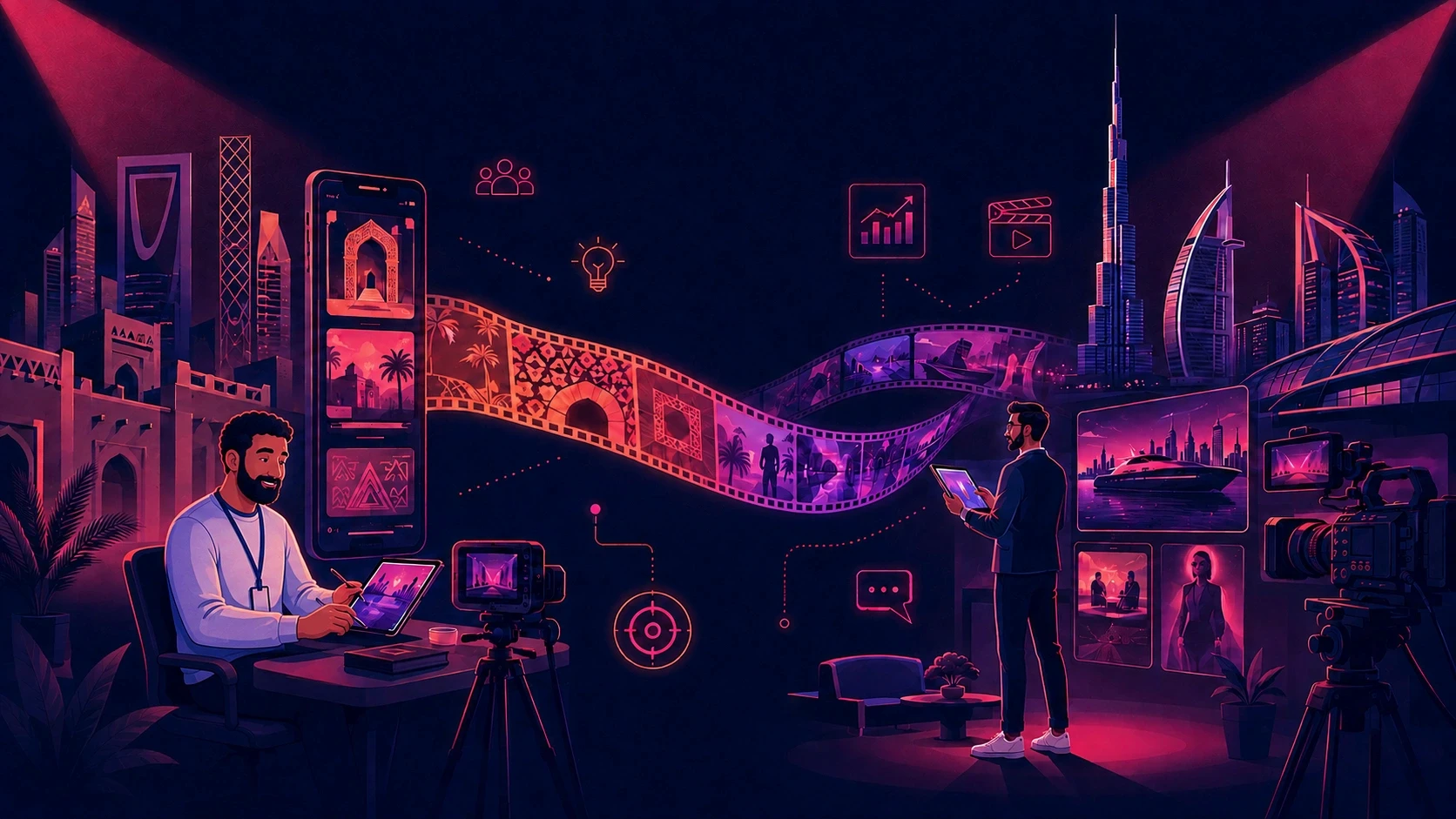
Corporate animation is animated video created to help a business explain, promote, train, inform, or persuade.
Unlike entertainment animation, every creative decision serves a business objective: generating leads, explaining a product, onboarding employees, or communicating with investors.
Common examples include:
Animated explainer videos
Product demonstrations
Employee onboarding and training modules
Internal announcements and leadership updates
Investor presentations
Recruitment campaigns
Social media and brand films
This format is especially valuable when a product, service, or process is difficult to demonstrate through conventional footage. A software company can animate an invisible data workflow. An HR team can use the same animated presenter across dozens of training modules without booking a studio or a presenter.
The commercial case is clear. Wyzowl's 2026 survey reports that 85% of video marketers say video has helped generate leads, while 83% say it has directly increased sales. 93% say video has improved customer understanding of their product or service.
Video is no longer just an awareness channel. For many businesses, it supports the path from understanding to leads and sales.
The Three Ways Businesses Produce Corporate Animation
1. Traditional 2D or 3D Animation
A professional studio designs and animates each scene manually.
Best for: Highly original campaigns, complex character animation, premium brand films, and projects requiring precise creative control.
Trade-off: Greater control comes with higher costs and timelines measured in weeks or months. Not practical for teams producing recurring or at-scale content.
2. Motion Graphics and Templates
Template-based tools combine typography, icons, stock assets, and simple transitions.
Best for: Internal presentations, data-led content, simple announcements, and fast social media posts.
Trade-off: Templates struggle to produce original characters, realistic products, or distinctive branded worlds. Every output risks looking like everyone else's.
3. AI-Generated Corporate Animation
AI platforms can generate scripts, storyboards, images, voiceovers, and video scenes, often in a fraction of the time and cost of traditional methods.
Best for: Rapid campaign testing, recurring content series, multilingual production, training, and onboarding at scale.
AI has also become part of mainstream video production. The broader 2026 Wyzowl research shows how widely businesses now use video and how marketers measure its impact across awareness, understanding, leads, traffic, and sales.
The one major limitation is consistency.
Most AI models can create an impressive clip. But producing 10, 20, or 50 clips that look like they belong to the same brand requires a more structured system than a single model provides.
See how teams solve this with ALStudio's AI-assisted production workflow.
Why Corporate Animation Consistency Is So Difficult
Most AI video models treat each generation as a new creative event. Unless the workflow reliably reuses approved references, the model can reinterpret the character, product, environment, and visual style from one generation to the next.
This creates several costly problems.
Character Drift
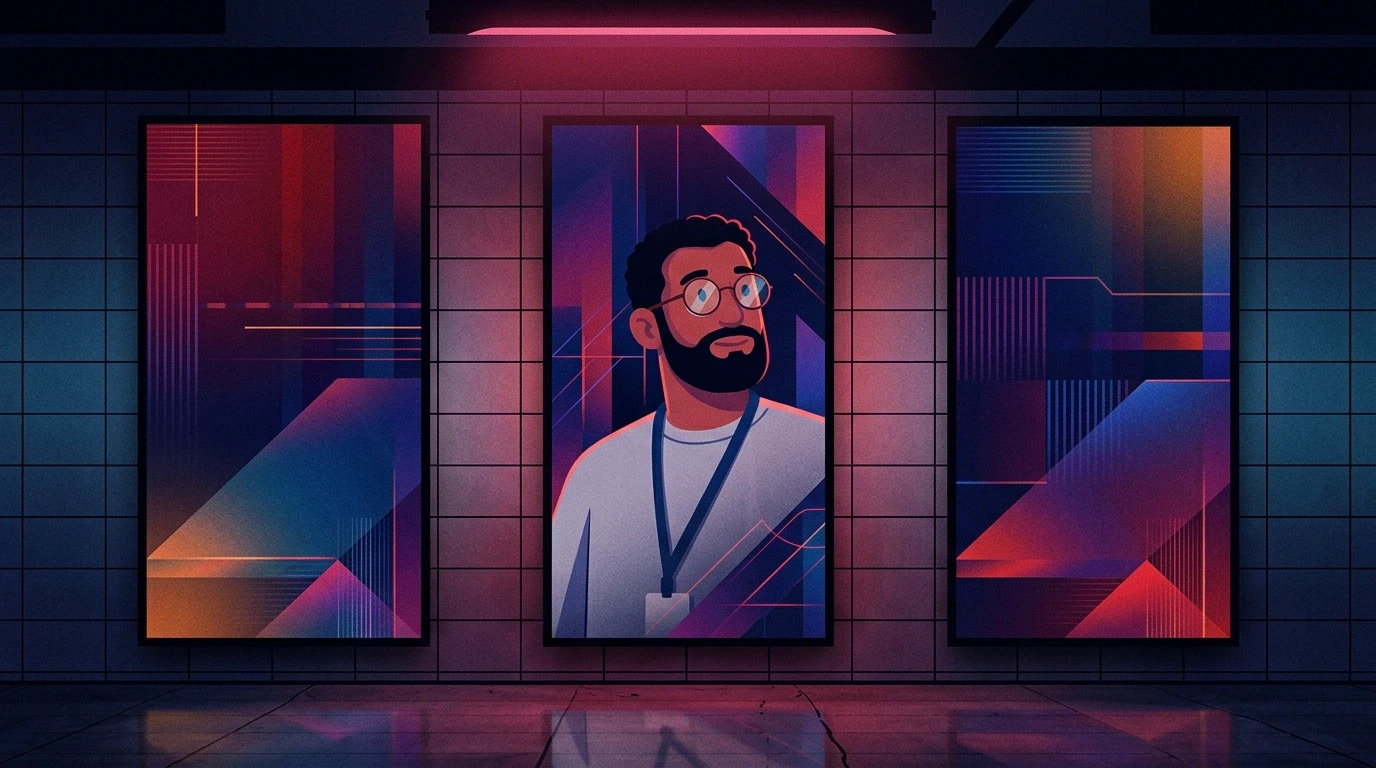
A spokesperson may look accurate in the opening scene but gradually change across later clips.
Typical inconsistencies include:
Facial structure
Hairstyle
Body proportions
Clothing
Skin tone
Accessories
Imagine a 10-part onboarding series where the presenter looks like a different person by episode five. Each clip may look polished independently, but the complete series feels unreliable.
Google's Veo 3.1 documentation specifically highlights reference images as a way to maintain character appearance across different scenes.
Brand Inconsistency
When several team members generate content independently, they may use different logo variations, brand colors, fonts, lighting styles, and visual tones.
The result is content that looks like it came from several unrelated companies.
Product Inconsistency
In a product demonstration, visual errors become commercially significant.
An AI model might alter a product's proportions, button placement, materials, packaging, screen interface, or brand markings.
A beautiful product video has limited value if it misrepresents the product being sold.
This is why persistent product identity matters. ALStudio's Product DNA framework treats product appearance and attributes as reusable production information rather than something teams have to recreate from scratch every time.
Environment Drift
A recurring office, showroom, factory, or branded environment can change between scenes unless it is treated as a fixed production asset.
Google's Veo 3.1 documentation supports using reference images for scenes, characters, and objects, as well as style references to guide visual consistency.
See how ALStudio approaches persistent Environment DNA.
Audit your last three videos.
If faces, products, colors, or environments shift between clips, your workflow needs a persistent source of truth.
What Consistent Corporate Animation Actually Requires
The most important decision in any corporate animation project happens before your team generates the first scene:
Lock the identity of your character, product, environment, and brand once, then apply those references throughout production.
Consistency is not a single setting. It consists of four connected layers:
Consistency Layer | What Should Remain Fixed | Why It Matters |
|---|---|---|
Character consistency | Face, body, clothing, features, accessories | A presenter or mascot must remain recognizable |
Product consistency | Shape, proportions, colors, packaging, details | Demonstrations must accurately represent the product |
Environment consistency | Architecture, layout, lighting, key objects | Recurring locations must feel like the same place |
Brand consistency | Logo, palette, fonts, tone, visual style | Every output should unmistakably belong to one brand |
Google's Veo 3.1 demonstrates the importance of structured visual references by allowing creators to guide generations with reference images for scenes, characters, objects, and visual style.
However, references alone don't create an organization-wide system.
Teams still need a shared method for storing, approving, and reusing those references across creators and projects.
ALStudio's Consistency Engine is built around this type of persistent creative identity, with Brand DNA, Character DNA, Product DNA, and Environment DNA working across production workflows.
A Practical Corporate Animation Example
Consider a UAE-based business producing a 10-part onboarding series.
The series needs:
One animated presenter
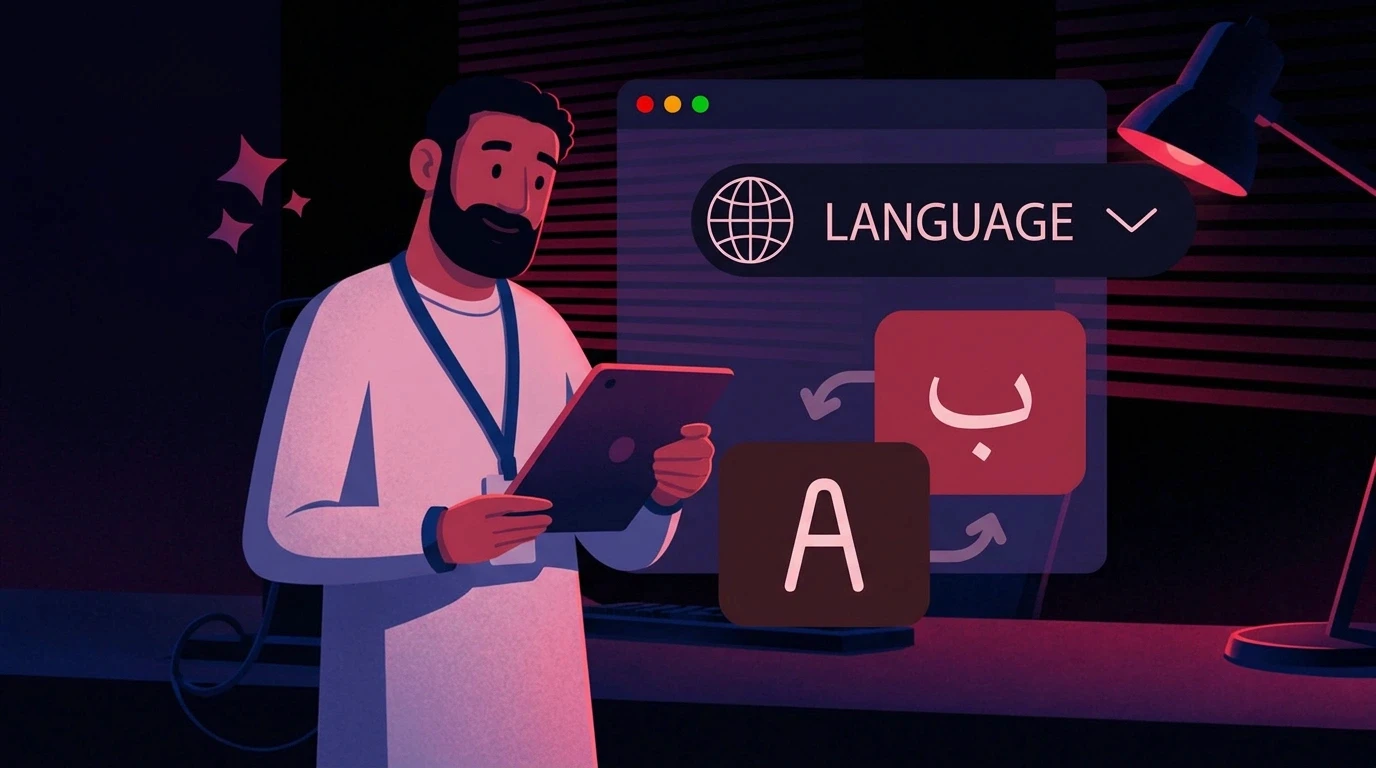
English and Gulf Arabic versions
A consistent branded office
Matching colors and typography
The ability to add new episodes later
Without a consistency system
The team rebuilds references for every episode.
By episode four, the presenter's face begins to change. The office layout shifts between shots. One team member uses an outdated brand color.
The team then spends additional time comparing frames, rewriting prompts, regenerating scenes, correcting faces manually, re-recording voiceovers, and rechecking brand guidelines.
With a persistent system
The team approves the presenter, office, product assets, and brand identity at the start.
Every subsequent episode uses those approved assets as its creative foundation.
The result isn't just a better-looking video. It is a more scalable production process with fewer rejected generations, less manual correction, faster approvals, easier localization, and more predictable quality.
Start a free ALStudio project and lock your first creative identity.
Corporate Animation Best Practices
1. Approve the Script Before Generating Scenes
Visual revisions are far more expensive than text revisions.
Confirm the audience, core message, desired action, video length, platform, language or dialect, and scene structure before any generation begins.
2. Create a Visual Source of Truth
Don't rely on written prompts alone.
Build an approved reference package containing:
Character sheets
Product angles
Environment references
Logo files
Exact color values
Typography
Composition rules
Examples of correct and incorrect output
Google positions reference images as a core part of its Veo 3.1 workflow for guiding characters, scenes, objects, and style.
3. Review the Complete Sequence, Not Individual Clips
Place the full sequence on one timeline and check:
Face continuity
Clothing
Product proportions
Lighting direction
Environment layout
Brand colors
Voice pronunciation
A clip that looks correct in isolation may reveal drift when viewed alongside the rest of the series.
4. Plan for Dialect, Not Just Language
"Arabic" is not a sufficient voiceover brief.
A video intended for Saudi Arabia may require a different delivery from one intended for Egypt, the UAE, Kuwait, or the Levant.
Define:
Country and audience
Preferred dialect
Formal or conversational delivery
Pronunciation of brand and product names
Voice age
Voice personality
Explore ALStudio's Arabic-first creative workflow.
5. Test One Complete Sequence Before Scaling
Test three connected scenes before committing to full production:
An establishing shot
A character or product close-up
A second environment or camera angle
If the identity holds across all three, the workflow is ready to scale.
Common Corporate Animation Mistakes
Approving Only the Best-Looking Clip
A strong hero shot doesn't prove a model can maintain the same identity across an entire series.
Compare the first, middle, and final clips without transitions to spot drift.
Letting Every Creator Build From Memory
Even experienced designers interpret brand guidelines differently.
Centralized references reduce subjective decisions and make approval criteria clearer.
Treating One AI Model as the Entire Workflow
Different models can perform differently depending on the task.
One may handle realistic motion well. Another may be stronger for stylized characters. A separate system may be needed for localized voiceover.
Google's Veo workflow itself includes multiple controls, including reference images, scene extension, and camera controls, demonstrating that reliable video generation involves more than entering a single prompt.
Ignoring AI Ownership and Usage Terms
Before publishing commercial work, verify:
Commercial usage rights
Ownership terms
Watermarking policies
Data retention practices
Applicable local laws
Google also uses SynthID technology to identify AI-generated content through digital watermarking. Check the current terms of each AI provider before commercial publication.
How to Produce Consistent Corporate Animation: A 7-Step Workflow
Step 1: Define the Business Objective
Choose one primary outcome:
Generate leads
Explain a product
Train employees
Improve onboarding
Support sales
Communicate with investors
Increase brand awareness
Every production decision should serve that objective.
Step 2: Lock Your Creative Identities
Approve the character identity, product identity, environment identity, and brand identity before a single scene is generated.
These become reusable production assets, not references scattered across messages and folders.
Step 3: Build the Storyboard
Define each scene's:
Purpose
Camera angle
Action
Dialogue
Duration
Transition
Required identity references
Step 4: Produce a Consistency Test
Generate several connected shots before committing to full production.
Test both easy and difficult angles:
Close-up
Wide shot
Side or three-quarter angle
Character interaction
Product handling
Step 5: Generate the Complete Sequence
Use approved identities throughout every generation.
Avoid changing prompts in ways that unintentionally redefine the character, product, or visual world.
Step 6: Localize for the Real Audience
Adapt more than the written translation.
Review:
Dialect
Cultural details
On-screen text
Examples
Visual references
Voice tone
Step 7: Review the Video as a System
Evaluate the complete campaign rather than isolated scenes.
Treat production as a repeatable system, not a one-off experiment.
Start your free ALStudio project and test the workflow on a complete sequence.
Who Benefits Most From Corporate Animation?
Marketing and Brand Teams
They can create animated product explainers, campaign videos, social content, landing-page videos, and branded educational series.
Wyzowl reports that 93% of video marketers say video has helped increase brand awareness.
HR and Internal Communications Teams
They can build repeatable employee onboarding, policy explanations, compliance training, leadership updates, and workplace learning scenarios.
A recurring presenter makes a large training library feel connected and professional.
Creative Agencies
Agencies can increase production capacity while keeping each client's identity separate.
A persistent consistency system becomes especially useful when multiple designers, editors, or AI creators work across the same account.
Sales and Product Teams
They can use animation to explain abstract services, software features, or processes that are difficult to film.
This connects with Wyzowl's finding that 93% of video marketers say video has improved customer understanding of their product or service.
Benefits and Limitations of AI Corporate Animation
Benefits
A structured AI workflow can provide:
Faster concept development
Reduced production costs
More campaign variations
Easier localization
Scalable recurring content
Less dependence on physical shoots
Faster testing before final production
Limitations
AI corporate animation still requires:
Human creative direction
Accurate reference assets
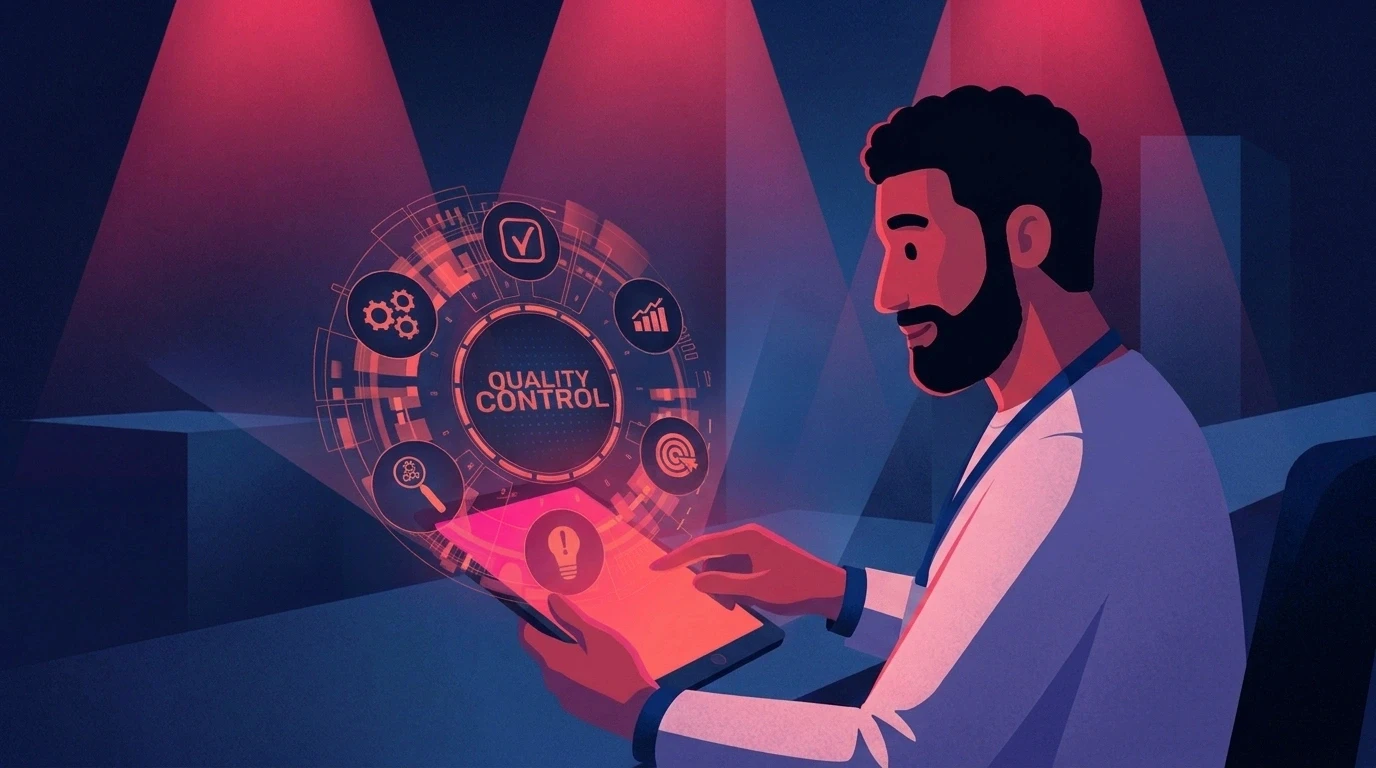
Quality control
Brand review
Localization review
Commercial-rights verification
Wyzowl reports that 82% of video marketers say video delivers a positive ROI in 2026. However, generating more content doesn't automatically generate better results. Quality, consistency, message clarity, and distribution still determine performance.
Compare ALStudio's current plans and pricing.
How ALStudio Approaches Corporate Animation
ALStudio is a Creative AI Operating System designed to connect creative production workflows, brand memory, and AI generation in one system.
Its Consistency Engine is organized around four reusable identity layers:
Brand DNA
Logo, palette, fonts, tone, and visual style.
Character DNA
Face, body, clothing, features, and accessories.
Product DNA
Shape, proportions, colors, packaging, and product details.
Learn more about Product DNA in AI content creation.
Environment DNA
Architecture, layout, lighting, and key objects.
Learn more about Environment DNA.
Instead of rebuilding these elements for each generation, teams set and reuse approved identities across their creative workflow.
For a marketing team, this means a campaign can retain the same brand language across every asset.
For HR, it means the same presenter can appear throughout an onboarding series.
For an agency, it means each client can have a distinct, controlled visual identity without version confusion.
The broader ALStudio system connects brand identity with content, video, marketing, and editing workflows, allowing teams to move from individual AI generations toward a connected production system.
Start your free ALStudio trial.
Lock your first creative identity and test it across a complete sequence before investing time and budget in full production.
Conclusion
Corporate animation is becoming faster to produce, but speed alone does not solve the hardest production problem.
The real challenge is maintaining the same character, product, environment, and brand identity as content scales across scenes, campaigns, creators, platforms, and languages.
AI can dramatically accelerate production. But reliable corporate animation requires more than generation.
It requires a system.
That means defining your creative identities before production, building a persistent source of truth, testing consistency across connected scenes, and reviewing the final campaign as one complete system.
The goal isn't simply to generate more videos.
It is to build, control, and scale content without losing the identity that makes your brand recognizable.
Start free on ALStudio — no watermark on any plan, no credit card required.
Frequently Asked Questions
What is corporate animation?
Corporate animation is animated video created for business purposes such as product demonstrations, explainers, training, onboarding, recruitment, internal communications, sales, and marketing.
Why does AI-generated corporate animation lose consistency?
AI video generation can reinterpret characters, products, environments, and visual styles between generations. Using persistent references and structured creative identities helps reduce this drift.
How can businesses keep AI characters consistent?
Use approved character references throughout production and test the same character across different scenes, camera angles, and environments before scaling the workflow. Google's Veo 3.1 also provides character reference-image capabilities designed to help maintain appearance across scenes.
How can businesses keep products consistent in AI videos?
Create a structured product identity containing the product's appearance, proportions, materials, packaging, colors, and other important attributes. ALStudio's Product DNA is designed around this type of persistent product identity.
Is AI corporate animation suitable for every business?
Not necessarily. AI can be valuable for recurring content, localization, training, product explainers, campaign variations, and rapid production. Premium projects requiring highly specific artistic direction or complex custom animation may still benefit from traditional production.
Does ALStudio have a free plan?
Yes. ALStudio offers a free plan, allowing teams to start creating before moving to paid plans as production needs grow.