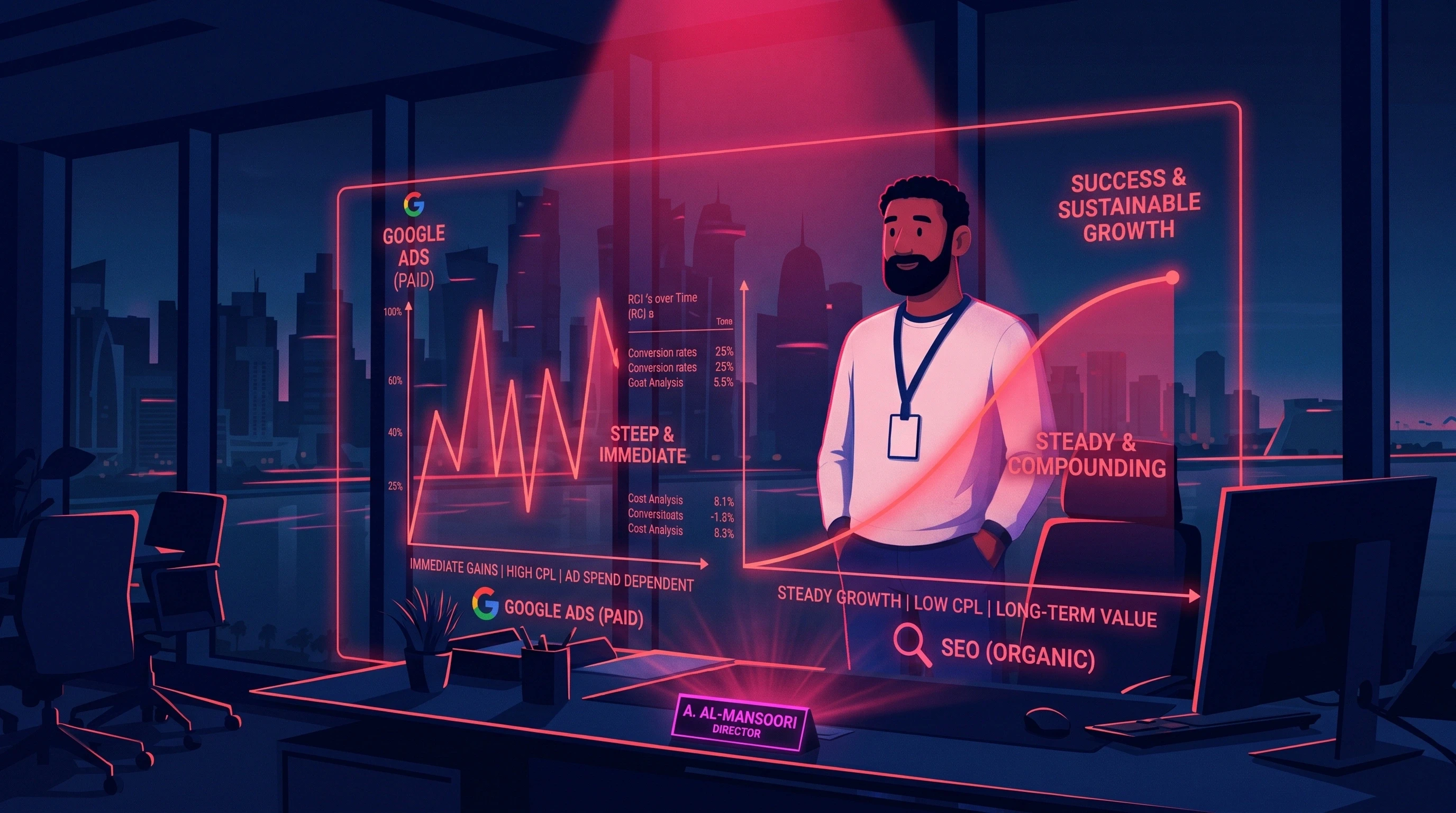
Where Should You Produce Your MENA Campaign: Dubai, Riyadh or Cairo?
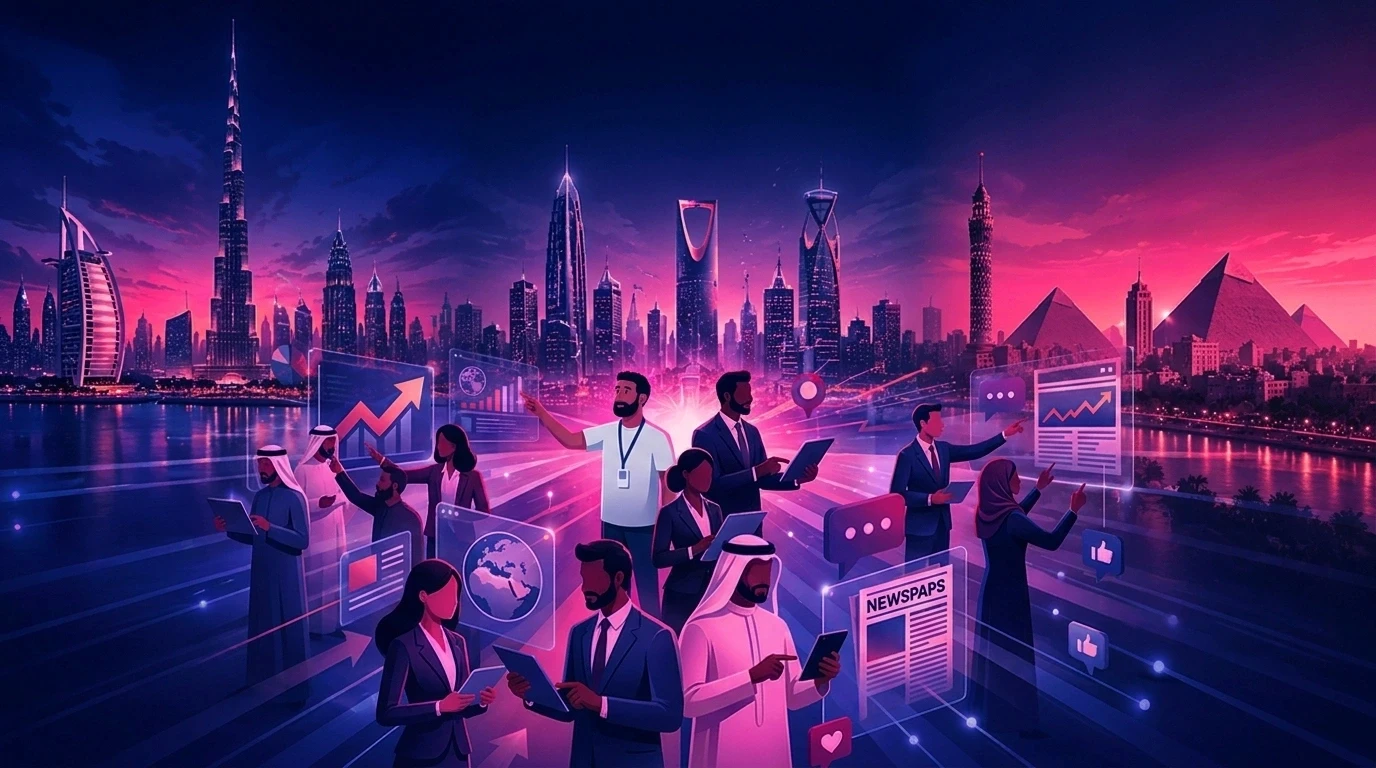
Compare video production Middle East options in Dubai, Riyadh and Cairo, from localization and live shoots to AI workflows, costs and campaign scale.
Video Production Middle East: Dubai, Riyadh or Cairo?
Video production in the Middle East is no longer simply about choosing where to film.
For brands targeting Dubai, Riyadh, Cairo, or multiple MENA markets, the bigger production challenge is deciding what should be filmed, what can be produced digitally, what needs to be localized, and what can be reused across campaigns.
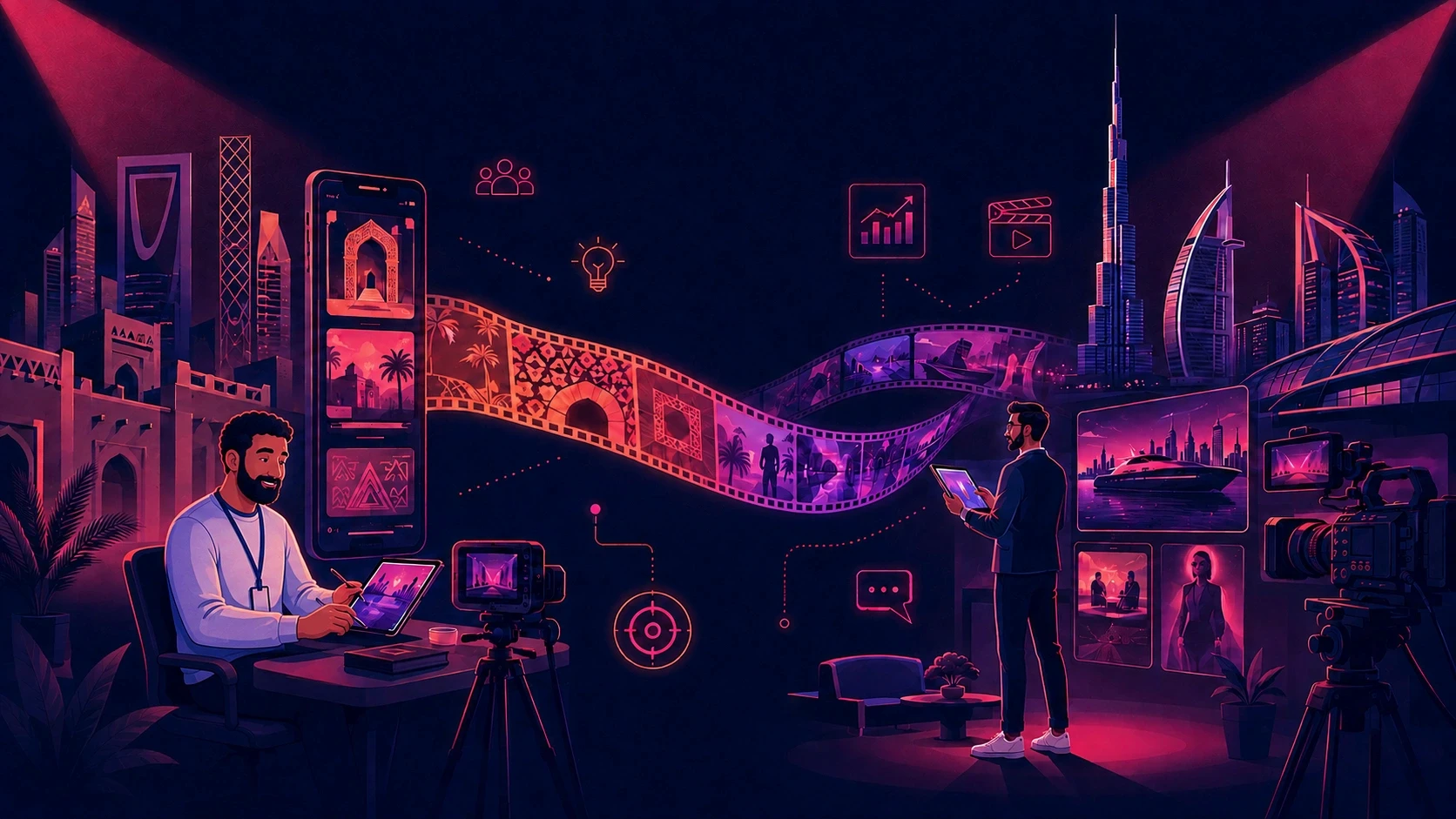
Dubai can work as a regional production base. Riyadh becomes particularly important when Saudi locations, talent and cultural authenticity are central to the campaign. Cairo offers deep Arabic creative and production expertise and can be especially relevant for Egyptian and Arabic-language campaigns.
But modern Middle East campaigns do not have to choose only one production model.
A campaign can combine:
Live-action filming
3D animation
CGI
VFX
Motion graphics
AI creative video
Professional editing
Arabic voiceover
Localized social content
Platform-specific versions
This is how Animus approaches regional production.
Rather than treating Dubai, Riyadh and Cairo as mutually exclusive production destinations, Animus can approach each market according to what the campaign actually requires.
The important question becomes:
What needs to be produced locally, what can be produced centrally, and what can be reused across markets?
That shift can turn one expensive hero production into a wider campaign system.
Animus' Studio brings together video production and animation capabilities including filming, 3D animation, CGI, VFX, AI creative videos and motion graphics, allowing brands to build campaigns across multiple production methods rather than relying on one format.
What Is Video Production in the Middle East?
Video production in the Middle East is the process of creating, filming, adapting, localizing and distributing video content for audiences across MENA markets.
It can include:
Live-action commercials
Brand films
Product videos
Social media videos
3D animation
CGI advertising
VFX
AI-generated video
Motion graphics
Product photography
Voiceover
Dubbing
Arabic localization
Video editing
Paid-media adaptations
Platform-specific content
For Animus, video production is therefore not limited to the camera shoot.
The production can start with the campaign idea and continue through creative development, filming, animation, CGI, post-production and content adaptation.
This becomes especially important when a brand is producing for several MENA markets.
A Saudi campaign may need Saudi Arabic, local casting and Saudi environments.
An Egyptian campaign may require Egyptian Arabic and market-specific storytelling.
A UAE campaign may need both Arabic and English versions.
A regional campaign may need all of the above.
The challenge is creating those differences without rebuilding the entire campaign from scratch.
Why MENA Video Production Is Different
The Middle East is not one homogeneous advertising market.
A campaign that works in Dubai may need a different creative execution in Riyadh.
A commercial created for Saudi Arabia may require a different performance style or cultural context when adapted for Egypt.
Even when the same Arabic language is used, the audience's expectations can differ.
That means localization can affect:
Dialect
Voiceover
Casting
Wardrobe
Locations
Cultural references
Script
Humor
Product positioning
Offers
Calls to action
Social formats
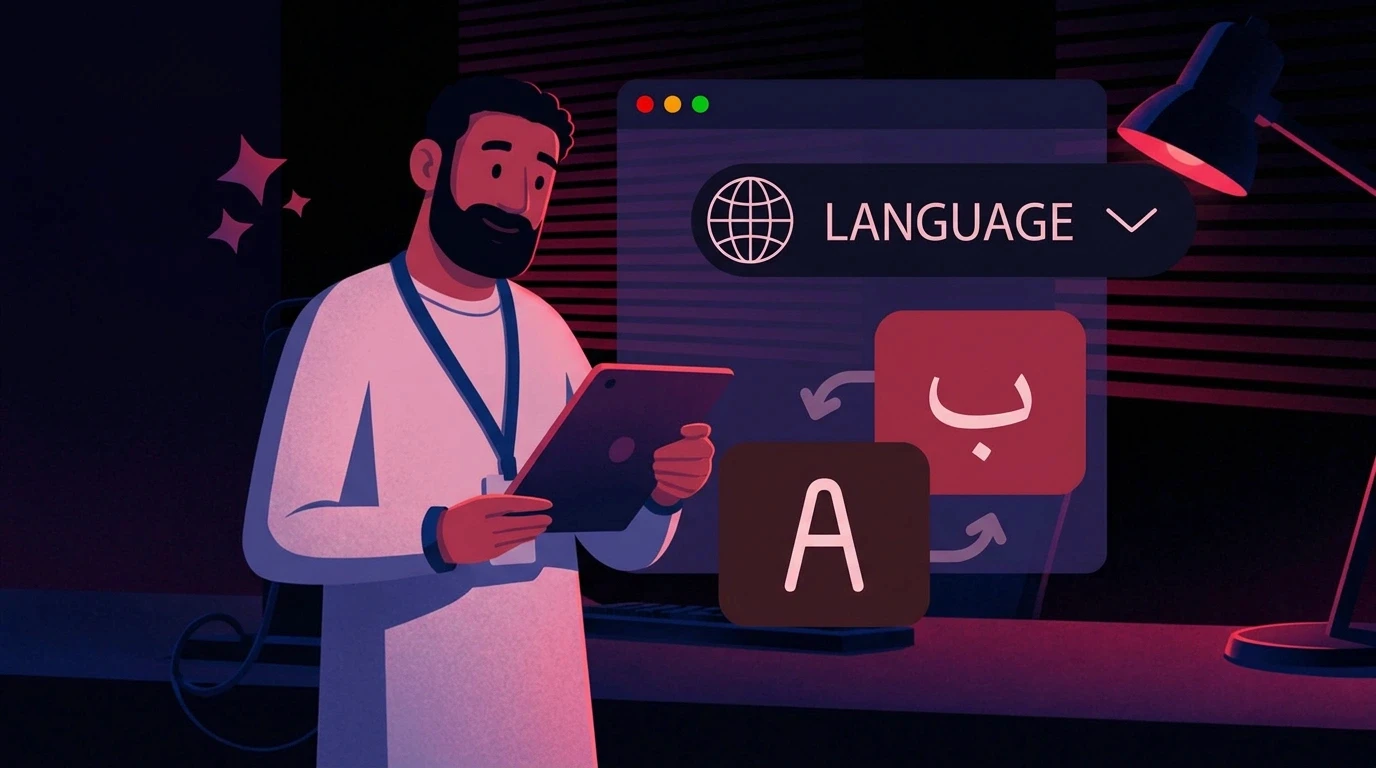
This is why Animus treats localization as a creative and production challenge, not simply a translation exercise.
For a broader framework, see Animus' guide to Campaign Localization in the Middle East.
Dubai vs Riyadh vs Cairo: Which Production Location Should You Choose?
There is no universal answer.
The right location depends on:
Target audience
Campaign objective
Required authenticity
Production scope
Talent
Locations
Languages
Deliverables
Distribution markets
Production method
A useful way to think about the three markets is:
Dubai = Regional Production
Riyadh = Saudi Authenticity
Cairo = Arabic Creative Depth
But these roles can overlap.
A campaign can be creatively directed from one market, filmed in another and expanded through CGI, AI and post-production.
That is where a production partner such as Animus can become more valuable than simply choosing a filming location.
Video Production in Dubai
Dubai as a Regional Production Base
Dubai can be particularly useful when a campaign needs to serve several markets or involve international and regional stakeholders.
Brands operating from the UAE may need content for:
UAE
Saudi Arabia
Qatar
Kuwait
Bahrain
Oman
Wider MENA markets
International audiences
In these situations, the production requirement may extend far beyond one commercial.
A brand may need:
Hero film
Social videos
Product content
Paid ads
Vertical edits
Arabic versions
English versions
Regional adaptations
CGI assets
Product stills
Dubai can therefore function as the starting point for a broader production system.
How Animus Can Use Dubai Production
Rather than creating one video and stopping, the campaign can be designed around a regional master.
The master can establish:
Campaign concept
Product presentation
Brand identity
Visual language
Typography
Color system
Key messaging
Creative direction
Then market-specific elements can be adapted.
For example:
Regional Master
↓
UAE Version
↓
Saudi Version
↓
Egypt Version
↓
Social Variations
↓
Paid Media Versions
This allows the campaign to remain connected while still being locally relevant.
Animus' Studio supports this broader production model through filming, animation, CGI, VFX, AI creative video and motion graphics.
Video Production in Riyadh
Riyadh When Saudi Authenticity Matters
Riyadh becomes particularly important when the campaign depends on Saudi culture, people, locations or behavior.
For example, a campaign may require:
Saudi talent
Saudi locations
Saudi Arabic
Local lifestyle references
Local cultural context
Saudi-specific product positioning
Local events
Market-specific storytelling
In these cases, simply taking a Dubai commercial and changing the voiceover may not be enough.
Localization Is More Than Translation
A Saudi campaign should feel relevant to Saudi audiences.
That can affect:
Casting
Performance
Dialogue
Wardrobe
Environment
Storytelling
Visual references
Offer
CTA
Animus' approach to localization is therefore useful when deciding what should actually be changed for each market.
The goal is not to make every market look identical.
The goal is to make each market feel locally relevant while still belonging to the same brand.
Video Production in Cairo
Cairo for Arabic Creative Production
Cairo can be particularly valuable when the campaign requires Egyptian Arabic, Arabic creative development, local talent, voice production or Egyptian market storytelling.
Egypt has a deep advertising, television, film and creative production ecosystem.
For Egyptian campaigns, this can provide an important advantage because local relevance goes beyond translating a script.
The creative itself may need to change.
That can include:
Language
Dialect
Tone
Humor
Talent
Storytelling
Visual references
Product presentation
Social execution
Animus has also published a detailed case study on how it localized a global campaign for the Egyptian market, illustrating how localization can extend into creative direction, storytelling, product visuals, motion graphics and platform-specific content.
The broader lesson is important:
A localized campaign should still feel like the same brand, but it should not feel like a translated advertisement.
Dubai, Riyadh or Cairo? Start With the Campaign, Not the City
Before choosing where to film, Animus recommends thinking about the campaign itself.
Ask:
What is the objective?
Is the campaign for:
Awareness
Product launch
Sales
Lead generation
Engagement
Social growth
Brand building
Market expansion
Who is the audience?
Is the campaign targeting:
UAE consumers?
Saudi consumers?
Egyptian consumers?
GCC audiences?
Multiple MENA markets?
International audiences?
What needs to feel real?
Some elements benefit significantly from physical production:
People
Executives
Events
Real locations
Product demonstrations
Testimonials
Documentary storytelling
What can be produced digitally?
Other elements may be suitable for:
CGI
3D animation
AI video
VFX
Motion graphics
Synthetic environments
This scene-by-scene approach can produce a more efficient workflow than deciding that the entire campaign must be either live action or AI.
Live Action vs AI vs Hybrid Production
Live Action
Live action is strongest when authenticity is central to the message.
It is particularly useful for:
Real people
Interviews
Testimonials
Events
Hospitality
Real locations
Executive communications
Documentary storytelling
Lifestyle campaigns
If the audience needs to see a real person, real location or real experience, physical production can be difficult to replace.
Animus' Studio includes shooting and post-production, covering production from on-site filming through final editing.
AI Video Production
AI can be useful when a campaign requires:
Creative experimentation
Synthetic environments
Product worlds
Visual variations
Concept development
Social content
Rapid adaptations
Supporting campaign scenes
But AI does not remove the need for creative direction.
The bigger challenge is often consistency.
A product can change shape between generations.
A character can change facial features.
A brand environment can drift.
The more assets a campaign needs, the more expensive inconsistency can become because teams have to regenerate, review and correct content.
This is why Animus combines AI creative production with broader capabilities such as CGI, animation, VFX and post-production rather than treating AI generation as the entire production process.
Hybrid Production
Hybrid production combines:
Live Action + AI + CGI + VFX + Editing
according to the requirements of each scene.
For example:
Real Product + CGI Environment + VFX + Professional Editing
Or:
Real Spokesperson + AI Environment + Motion Graphics + Post-Production
Or:
3D Product Model + AI Creative World + CGI Effects + Social Cutdowns
This allows production teams to reserve physical production for elements where authenticity matters while using digital production for elements where scale and flexibility are more valuable.
For many MENA campaigns, this can create a useful balance between:
Authenticity
Control
Speed
Localization
Scalability
Reusability
The Real Problem: One Video Is Not Enough
One of the biggest mistakes brands make is budgeting for the hero video instead of the campaign ecosystem.
A modern campaign may require:
16:9 hero film
9:16 Reels
TikTok videos
YouTube Shorts
Paid advertisements
Product videos
Arabic versions
English versions
Saudi versions
Egyptian versions
Social cutdowns
Product stills
Website visuals
Different CTAs
If every version requires a completely new production, the cost can increase quickly.
A more scalable approach is:
One Creative Concept
↓
One Master Production
↓
Multiple Markets
↓
Multiple Languages
↓
Multiple Formats
↓
Multiple Campaign Assets
This is where Animus can move from being simply a video production supplier to a creative production partner.
How Animus Builds a Scalable MENA Production Workflow
A more efficient regional campaign can follow eight stages.
1. Start With the Campaign Goal
Before production, establish what the campaign must achieve.
The content required for a product launch will be different from the content required for a brand film.
A campaign designed for paid social will have different requirements from a corporate film.
2. Define the Creative Constants
Identify what should remain consistent across every market.
This could include:
Brand identity
Product appearance
Logo
Typography
Colors
Core concept
Visual style
Character identity
Key messaging
These elements form the creative foundation.
3. Define the Local Variables
Next, identify what can change.
For example:
Saudi Arabia
Saudi Arabic
Local talent
Saudi environments
Local cultural context
Egypt
Egyptian Arabic
Egyptian talent
Egyptian references
Market-specific storytelling
UAE
Arabic and English
Relevant local context
Regional positioning
This creates controlled localization rather than uncontrolled duplication.
4. Decide What Should Be Filmed
Before booking a crew, ask:
Does this scene actually need to be physically produced?
A real Saudi location may be important.
A real executive may be important.
A product demonstration may require physical capture.
But a stylized product environment may be more efficiently created through CGI or AI.
A recurring visual world may be built digitally and reused.
This is where production strategy can significantly affect ROI.
5. Create the Master Creative
The master should establish the campaign's core visual and narrative identity.
But the master should also be designed with future outputs in mind.
Ask:
Can this become a Reel?
Can this become a TikTok?
Can this become a paid ad?
Can this become a product video?
Can this become an Arabic version?
Can this become a Saudi version?
Can this become an Egyptian version?
The answer should influence the production from the beginning.
6. Localize the Campaign
Localization should change the elements that matter to the audience while protecting the brand.
Animus' Arabic Content Localization guide covers this distinction in more detail.
Translation asks:
What does this sentence mean in Arabic?
Localization asks:
How should this campaign communicate the same idea to this specific audience?
That difference can affect the entire production.
7. Multiply the Content
The finished campaign should become a library of useful assets.
For example:
Hero Film
↓
3 Social Cutdowns
↓
2 Vertical Ads
↓
Product Videos
↓
Arabic Version
↓
Saudi Version
↓
Egyptian Version
↓
Paid Media Variations
↓
Website Assets
The goal is not simply to create more videos.
The goal is to generate more useful campaign output from the original production investment.
8. Review Localization and Brand Consistency
Before distribution, check both sides.
Localization
Is the dialect correct?
Does the casting feel appropriate?
Does the environment make sense?
Is the CTA relevant?
Does the messaging feel natural?
Brand Consistency
Is the product correct?
Is the logo correct?
Is the visual identity consistent?
Is the campaign recognizable?
Are the localized versions still clearly part of the same campaign?
This is particularly important when a campaign is produced across multiple teams, markets and production technologies.
Animus' Role in Middle East Video Production
This is where the distinction between a production vendor and a creative production partner becomes important.
Animus' Studio covers:
Filming
3D Animation
CGI
VFX
AI Creative Videos
Motion Graphics
Social Media Videos
Shooting and Post-Production
These capabilities allow a campaign to move between production methods depending on the creative requirement.
For example:
Creative Concept
↓
Script
↓
Storyboard
↓
Live-Action Shoot
↓
3D / CGI
↓
AI Creative Extensions
↓
VFX
↓
Editing
↓
Social Versions
↓
Localized Campaigns
The advantage is not that every project needs every service.
The advantage is that the production strategy can be built around what the campaign actually requires.
Animus and MENA Campaign Localization
Regional production becomes even more important when a global brand enters several MENA markets.
A global campaign may already have:
Brand guidelines
Product assets
Global messaging
Approved claims
Visual identity
Master creative
The challenge is adapting that foundation without losing it.
Animus' Middle East localization work focuses on the distinction between global constants and local variables.
Global constants might include:
Logo
Product
Brand colors
Core campaign concept
Key visual direction
Local variables might include:
Language
Dialect
Voiceover
Casting
Storytelling
Cultural references
Offers
Platform execution
This is why Animus' Middle East Campaign Localization guide is a useful companion to this production strategy.
Multilingual Video Production Across MENA
Multilingual video production creates another challenge.
The campaign may require:
English
Modern Standard Arabic
Gulf Arabic
Saudi Arabic
Egyptian Arabic
Other regional variants
But changing the voiceover is only one part of localization.
The visual identity also needs to remain connected.
Animus' guide on Multilingual Video Production explores how brands can adapt video across languages while maintaining visual and brand consistency.
For regional campaigns, this means the same campaign can be localized without creating a completely disconnected visual system for every market.
How AI Fits Into Animus' Production Model
AI should not automatically replace filming, 3D or traditional post-production.
Instead, Animus can use AI where it creates a production advantage.
For example:
Live Action
Use when authenticity is important.
3D
Use when precise product visualization or controlled digital environments are required.
CGI
Use when the concept requires visuals that would be difficult or expensive to capture physically.
AI
Use for creative exploration, synthetic environments, variations and scalable content.
VFX
Use to integrate and enhance production elements.
Motion Graphics
Use to communicate information, branding and product features.
Editing
Bring everything together into a coherent campaign.
This is the logic behind a hybrid production workflow.
The ROI of MENA Video Production
Instead of measuring only:
Production Cost
marketing teams should also measure:
Production Cost → Number of Assets → Number of Markets → Number of Formats → Reuse → Campaign Lifespan
For example, one production could create:
1 hero commercial
3 social cutdowns
2 paid ads
10 product visuals
Arabic version
English version
Saudi version
Egyptian version
Website assets
The initial production investment now supports an entire campaign ecosystem.
This does not mean every additional asset is free.
It means the campaign was designed to create more value from the original production foundation.
Common Middle East Video Production Mistakes
1. Treating MENA as One Audience
Saudi Arabia, Egypt and the UAE can require very different creative executions.
2. Translating Instead of Localizing
A translated script does not automatically create locally relevant content.
3. Choosing the City Before the Production Model
Start with what the campaign needs.
Then decide where and how each element should be produced.
4. Rebuilding Every Market From Zero
This creates duplicated production work and makes brand consistency harder.
5. Using AI Without a Consistency System
Generating more content does not help if every output looks like a different brand.
6. Producing Only the Hero Film
A modern campaign usually needs much more than one master video.
7. Ignoring Distribution During Production
Social, paid media, websites and regional channels should influence the production plan from the start.
A Practical Dubai, Riyadh and Cairo Production Model
For a brand targeting all three markets, an efficient model could look like:
Dubai
Regional creative direction + master production + campaign coordination
Riyadh
Saudi-specific filming + local talent + Saudi environments + cultural authenticity
Cairo
Egyptian localization + Arabic creative production + Egyptian market content
Animus Production Layer
3D + CGI + AI + VFX + Motion Graphics + Editing + Content Adaptation
The result is not three disconnected productions.
It is:
One Campaign
↓
Three Market Expressions
↓
Multiple Production Methods
↓
Multiple Content Formats
↓
Scalable Regional Distribution
This is the core idea behind modern Middle East video production.
Why Animus for Video Production in the Middle East?
Animus combines agency-level creative thinking with production capabilities across video, animation, CGI, VFX and AI.
Its Studio specifically covers:
Commercials
AI
3D Animation
CGI
Motion Graphics
VFX
Social Media Videos
Shooting
Post-Production
Animus describes its production model as serving brands across the UAE, UK and MENA.
That makes the production approach suitable for campaigns where the final requirement is not simply:
"Make us a video."
The requirement is:
"Help us build the creative system that lets this campaign work across markets, formats and channels."
For brands planning regional campaigns, the Animus Studio is the place to explore its production capabilities.
Conclusion: The Right Middle East Production Strategy Is Built Around the Campaign
The question "Dubai, Riyadh or Cairo?" does not have one universal answer.
Dubai can provide a strong regional production base.
Riyadh can provide Saudi authenticity when the campaign requires it.
Cairo can provide deep Arabic and Egyptian creative production capabilities.
But modern MENA campaigns do not need to be locked into one city or one production technology.
A stronger strategy can combine:
Dubai + Riyadh + Cairo
with:
Live Action + 3D + CGI + AI + VFX + Post-Production
The important decision is determining what needs to be real, what needs to be localized, what needs to remain consistent and what can be reused.
That is where Animus' broader creative production model becomes valuable.
The goal is not to produce three completely separate campaigns.
It is to create one strong creative foundation that can become multiple locally relevant campaigns.
For brands and agencies planning video production across the Middle East, Animus can combine creative direction, filming, animation, CGI, AI creative production, VFX, motion graphics and post-production into a connected production workflow.
Build the master. Localize what matters. Reuse what works. Scale the campaign across MENA.
Frequently Asked Questions
Which city is best for video production in the Middle East?
It depends on the campaign.
Dubai can be useful for regional and international campaigns, Riyadh is particularly relevant when Saudi authenticity is central, and Cairo can be valuable for Egyptian and Arabic creative production.
The right choice depends on the audience, creative requirements, locations, talent, languages and final deliverables.
Is Dubai good for MENA video production?
Yes. Dubai can be particularly useful when a brand needs a regional production base for campaigns involving multiple MENA markets and international stakeholders.
Animus operates production capabilities across the UAE and wider MENA region.
Should a Saudi campaign be filmed in Riyadh?
If Saudi locations, talent, cultural context or local authenticity are important to the creative, producing those elements in Saudi Arabia can make sense.
However, not every scene needs to be physically produced there.
A hybrid approach can combine Saudi live-action production with CGI, AI and post-production for scalable supporting content.
Is Cairo good for Arabic video production?
Cairo can be particularly useful for Egyptian Arabic, Arabic creative development, local production and market-specific campaigns.
Animus has also documented its approach to Egyptian campaign localization in its Egypt campaign localization case study.
Is AI video production replacing traditional video production?
AI can accelerate some parts of video production, but it does not eliminate the need for creative direction, filming, editing, VFX, art direction or quality control.
For many campaigns, a hybrid model is more practical.
What is hybrid video production?
Hybrid video production combines traditional filming with digital production methods such as AI, CGI, 3D animation, VFX and motion graphics.
The production method can then be selected according to what each scene requires.
How can brands reduce the cost of MENA video production?
One approach is to create a reusable master campaign and localize only the elements that need to change.
This can reduce duplicated work across markets while maintaining brand consistency.
How does Animus approach MENA campaign localization?
Animus approaches localization as more than translation.
The process can involve adapting:
Dialect
Voiceover
Casting
Storytelling
Cultural references
Visuals
Platform formats
Calls to action
while maintaining the core brand and campaign identity.
See the Animus Middle East Campaign Localization guide.
Can one video campaign be adapted for Saudi Arabia, Egypt and the UAE?
Yes.
The campaign can retain its core concept, product identity and visual direction while adapting market-specific elements such as language, talent, locations, cultural references and CTAs.
What should brands produce locally?
Usually, the elements where local authenticity has the greatest value:
Talent
Interviews
Local environments
Events
Cultural storytelling
Market-specific product demonstrations
Other elements may be suitable for CGI, AI or centralized post-production.
What should brands produce centrally?
Depending on the campaign, centralized production can cover:
Master creative
3D product assets
CGI
Motion graphics
Editing
VFX
Social cutdowns
Brand systems
Digital campaign assets
Can Animus combine filming, CGI and AI?
Yes. Animus' Studio lists filming, 3D animation, CGI, VFX, AI creative videos and motion graphics among its capabilities.
This makes it possible to build a hybrid production workflow around the campaign rather than forcing every asset into one production method.
How should brands measure MENA video production ROI?
Do not measure only the cost of the hero film.
Also measure:
Number of final assets
Number of markets
Number of languages
Number of formats
Asset reuse
Campaign lifespan
Localization cost
Future adaptation cost
The goal is to understand how much usable campaign content the original production investment creates.