What Is CGI Advertising? A Practical Guide for Marketing Teams

Learn how CGI advertising works, its benefits, costs, use cases, and how AI helps marketing teams create consistent campaigns across channels at scale.
What Is CGI Advertising? A Practical Guide for Marketing Teams
CGI advertising uses computer-generated imagery to create or enhance
products, environments, characters, visual effects, and entire scenes
for marketing. It gives brands control over visuals that may be
difficult, expensive, unsafe, or impossible to capture with a camera.
For marketing teams, the value of CGI is not simply that it can make a
campaign look impressive. The bigger advantage is control: teams can
decide how a product appears, build environments that do not exist,
create unusual product demonstrations, and adapt the same creative idea
into multiple campaign assets.
Modern CGI advertising is also changing because generative AI can now
support parts of the creative process. Teams can explore concepts,
generate environments, create motion, produce variations, and move from
an initial idea toward finished campaign assets faster.
The challenge is consistency.
A single impressive CGI or AI-generated shot is not the same as a
complete campaign. The product, brand identity, characters,
environments, and visual style need to remain recognizable across every
asset.
That is why modern CGI advertising is increasingly about repeatable
creative production, not just one spectacular image or video.
What Is CGI Advertising?

CGI advertising is a marketing production method that uses
computer-generated imagery to create visual elements that are partly or
completely digital.
CGI stands for computer-generated imagery. In advertising, it can be
used for a single digital product inside live-action footage, a fully
digital commercial, or a combination of CGI, AI, filming, and visual
effects.
Common examples include:
3D product renders
Product animations
Digital environments
Impossible product transformations
Animated brand characters
Virtual sets
Product simulations
Visual effects
Fake out-of-home (FOOH) advertising
CGI combined with live action
AI-assisted CGI scenes
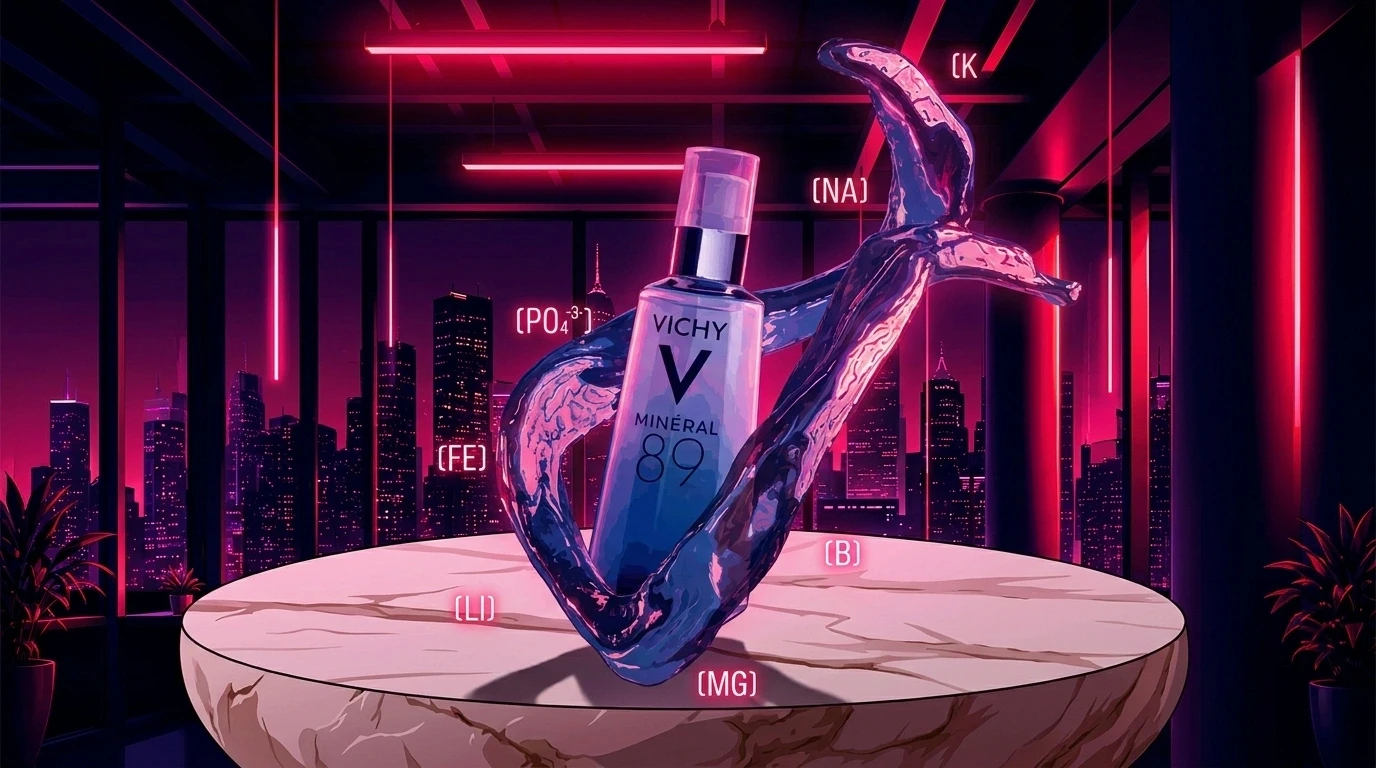
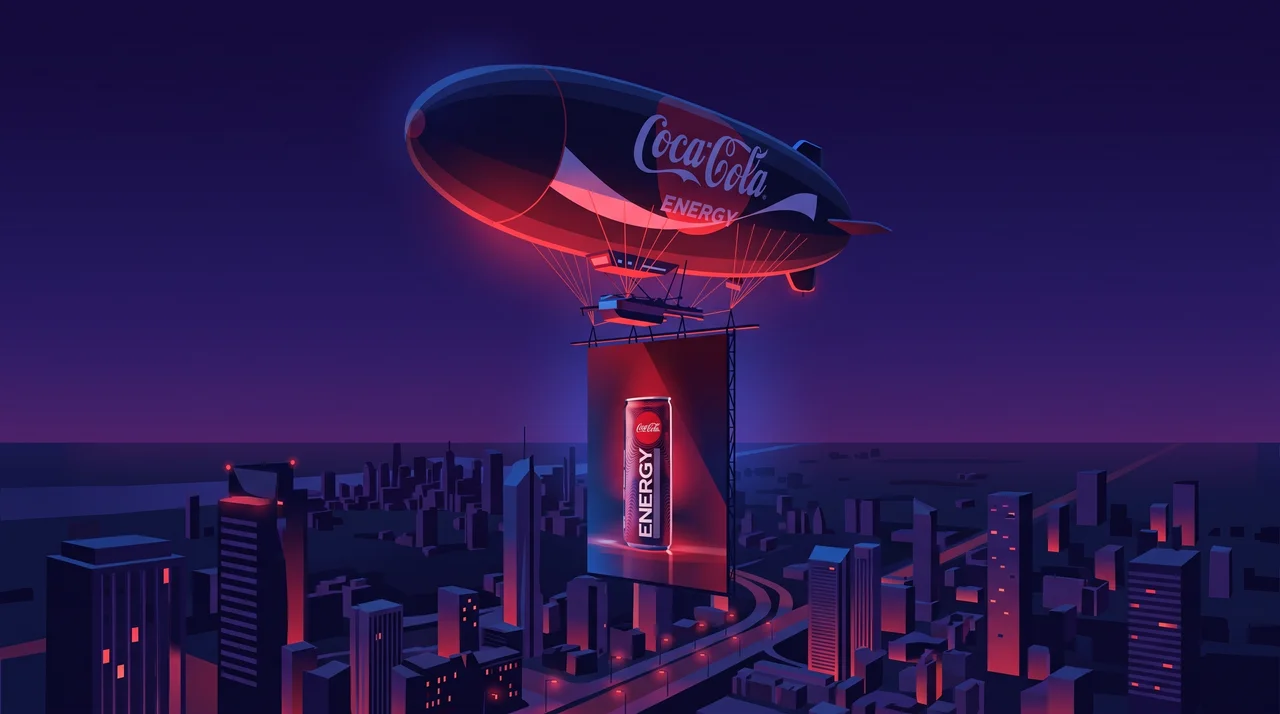
For example, a perfume bottle can appear beside a giant city landmark, a
smartphone can separate into its components, or a car can move through
an environment that does not physically exist.
CGI makes these concepts possible without requiring every element to be
physically built or filmed.
For teams that want to understand the broader 3D production process,
Adobe Substance 3D
provides tools for creating, texturing, staging, and rendering 3D
assets.
Why Does CGI Advertising Matter?
Marketing teams rarely need only one finished commercial.
A campaign may require:
A hero film
Vertical social videos
Short paid-media edits
Product images
Website visuals
Alternate hooks
Thumbnails
Localized versions
Platform-specific edits
Ecommerce assets
This changes how teams should think about CGI.
The goal is not simply to create one impressive visual. The goal is to
build a creative foundation that can support multiple outputs.
CGI is a production method, not a marketing strategy.
The campaign still needs a clear:
Audience
Objective
Message
Product benefit
Creative concept
Distribution plan
When these pieces are defined first, CGI has a clear job to do.
For ecommerce teams, this is especially useful because product visuals
can be reused across product pages, social campaigns, paid ads, and
launch materials. Shopify's guide to product video
marketing also highlights
the role product videos can play in helping customers understand
products.
How Does CGI Advertising Work?
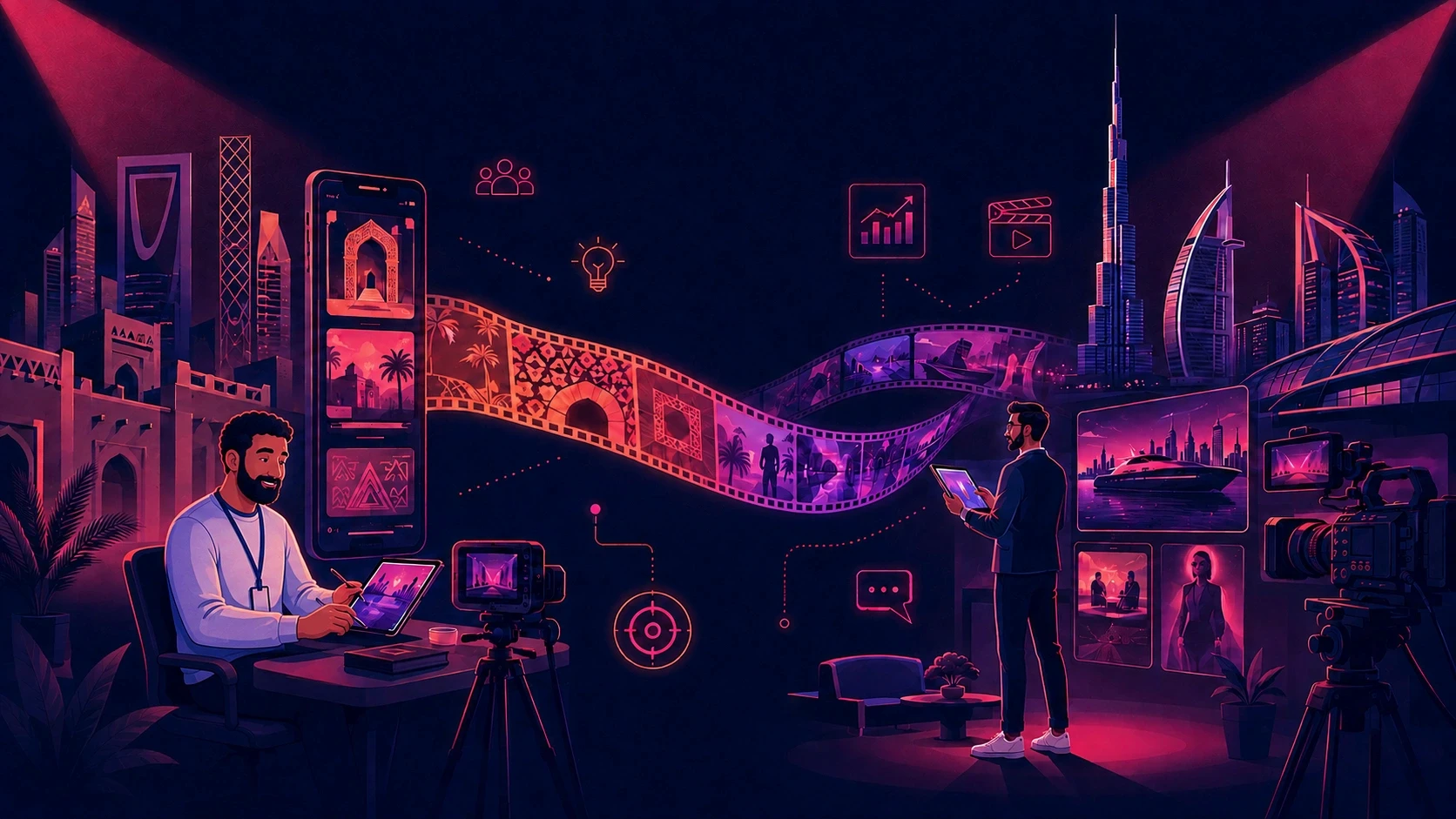
A strong CGI advertising workflow usually moves from strategy to
creative development, asset control, production, finishing, and campaign
adaptation.
Step 1: Define the campaign objective
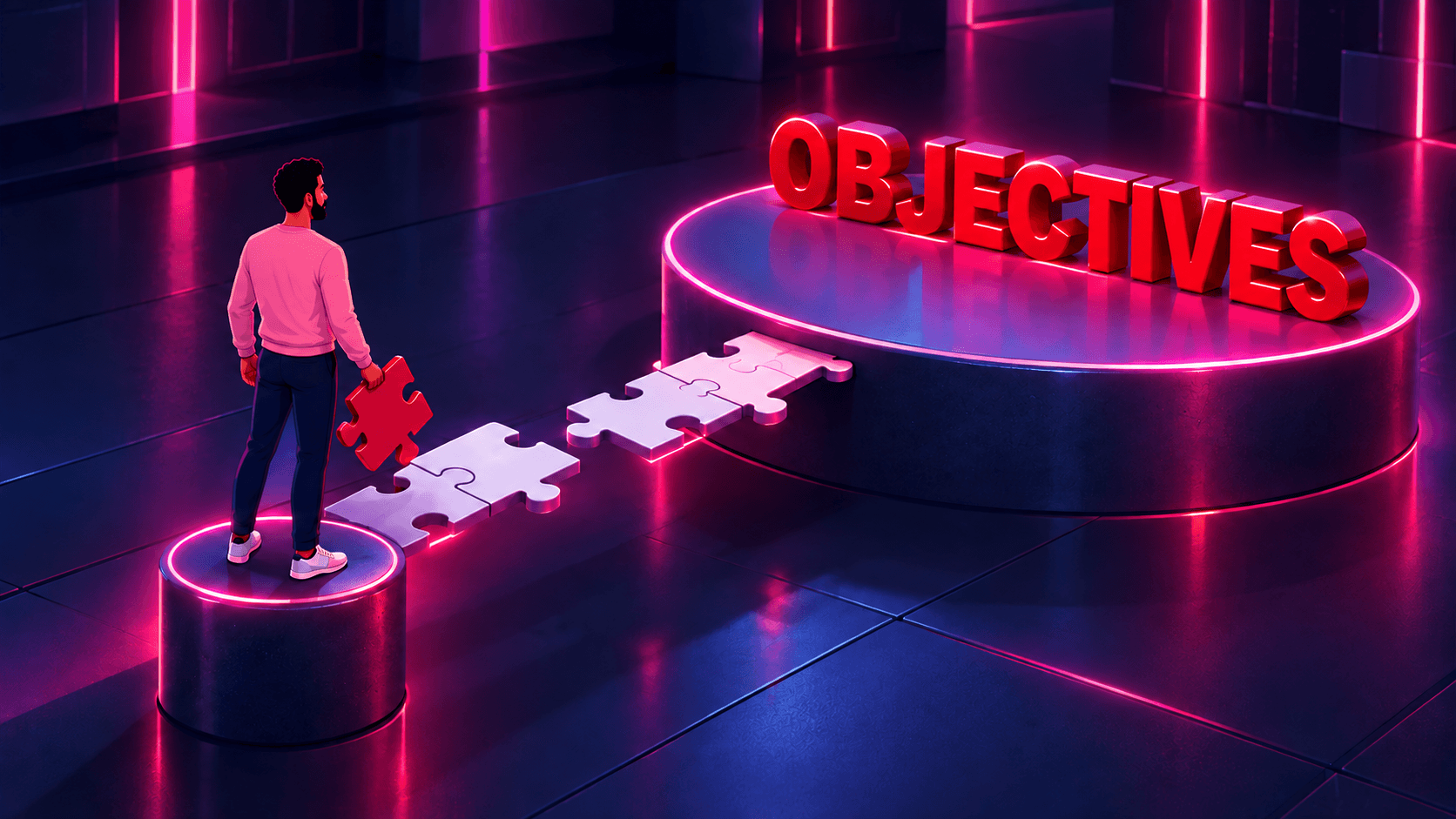
Start with the business goal, not the visual effect.
The campaign might aim to:
Build awareness
Launch a product
Demonstrate a feature
Increase engagement
Support sales
Explain a complex product
Introduce a new brand
Create social-first content
The objective determines what the CGI needs to accomplish.
For example, a product transformation may work well for a launch. A
detailed exploded product view may be more useful for explaining how
something works. A FOOH concept may make sense when the campaign depends
heavily on social attention.
Step 2: Develop the creative concept

Once the objective is clear, turn it into a visual idea.
Define:
Concept
Script
Storyboard
Product references
Visual style
Environment
Characters
Camera direction
Lighting
Brand requirements
The important question is:
What should the audience understand, remember, or do after seeing the
advertisement?
That question keeps CGI connected to marketing rather than turning
production into visual experimentation without a clear purpose.
Step 3: Establish product and brand identity
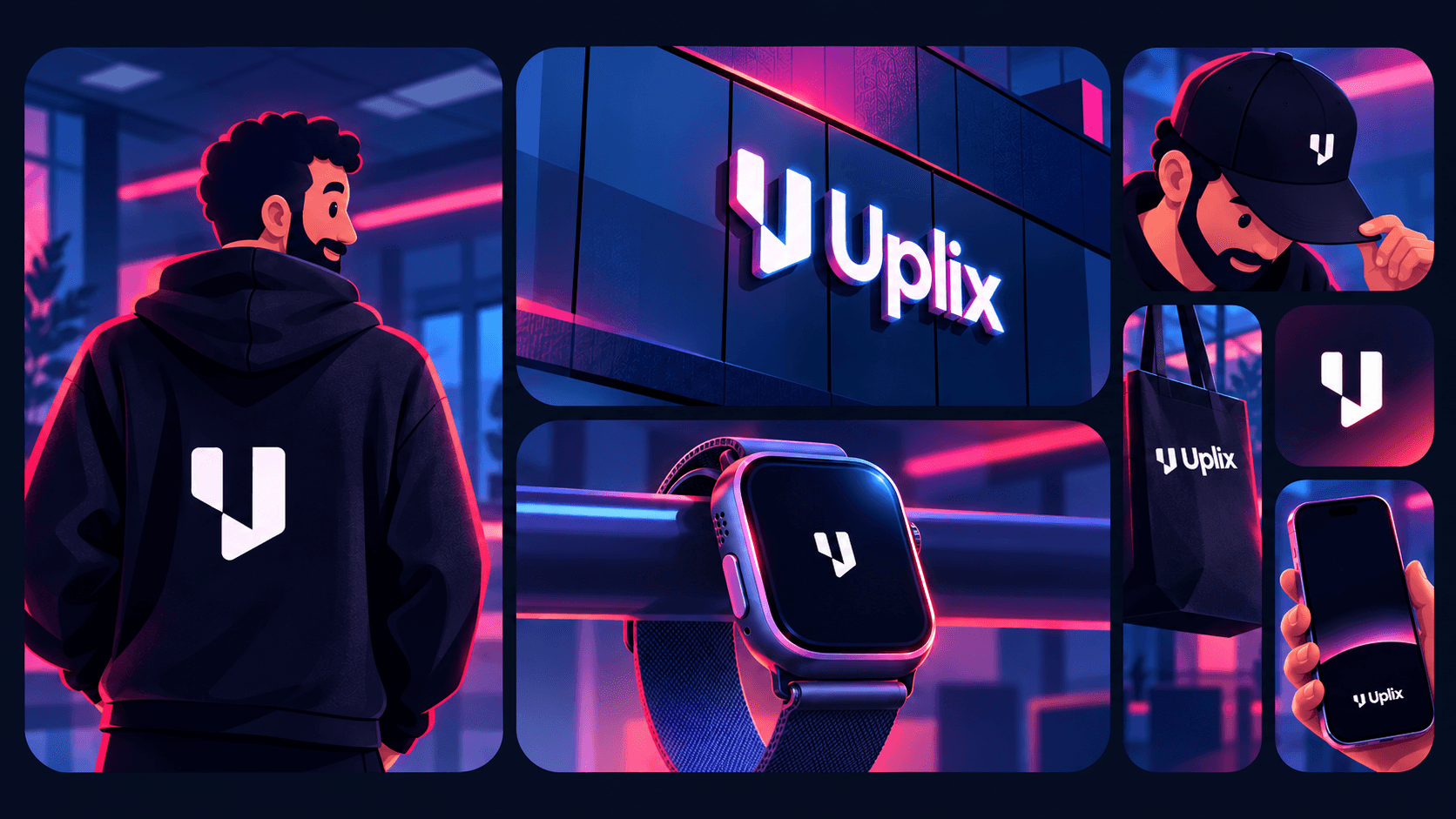
This step becomes especially important when generative AI is part of the
workflow.
The production system needs to know what can change and what must stay
fixed.
For a product, that may include:
Shape
Dimensions
Packaging
Label structure
Logo placement
Materials
Colors
Proportions
For a brand, it can include:
Logo
Color palette
Typography
Tone of voice
Visual language
Composition rules
Without this foundation, variations can gradually move away from the
approved product or brand identity.
Step 4: Create the CGI scenes
Traditional CGI may involve:
3D modeling
Texturing
Rigging
Lighting
Animation
Simulation
Rendering
Compositing
AI-assisted production can add:
Text-to-video generation
Image-to-video generation
AI environments
Generative motion
Concept exploration
Style exploration
Scene variations
Generative effects
These methods do not have to compete.
A campaign can use tightly controlled digital product assets where
accuracy matters and generative models for environments, movement,
effects, or early creative exploration.
Step 5: Edit and finish the advertisement

Generation is not the final commercial.
Post-production may include:
Video editing
VFX
Compositing
Transitions
Color work
Upscaling
Object removal
Voiceover
Sound design
Music
Captions
Professional finishing is what turns separate scenes into one coherent
advertisement.
Tools such as Adobe After
Effects are commonly
used for motion graphics and visual effects, while modern AI workflows
can bring generation into earlier parts of the production process.
Step 6: Expand the campaign

The master film should not necessarily be the end of production.
Plan additional outputs such as:
9:16 vertical videos
1:1 social assets
Short cutdowns
Alternate hooks
Product images
Paid-social variations
Website visuals
Localized versions
Captions
Market-specific creative
This is where CGI becomes more useful as a campaign system rather than a
single hero asset.
The 5 Main Types of CGI Advertising

Different CGI approaches solve different marketing problems.
CGI type What it does Useful for Main
consideration
Product CGI Digitally Ecommerce, Product accuracy
recreates and launches,
animates products demonstrations
CGI commercials Creates complete Brand campaigns Creative
cinematic and storytelling direction
advertisements
CGI + live action Combines digital Human-centered Realistic
elements with commercials compositing
filmed footage
FOOH CGI Simulates Social campaigns Concept relevance
impossible events and awareness
in real locations
Product CGI
Product CGI gives brands precise control over how products appear.
It is useful when a campaign needs:
Internal product views
Material demonstrations
Product transformations
Impossible camera movements
Product visuals before physical production assets are available
This is particularly relevant for ecommerce because one controlled
product asset can support multiple visual executions.
CGI Commercials
A CGI commercial can be partially or completely computer generated.
This approach is useful when the concept would require:
Unrealistic environments
Expensive physical sets
Complex simulations
Impossible physics
Large-scale visual effects
CGI and Live-Action Advertising
CGI does not mean removing cameras and actors from production.
A brand can film real people and environments and add digital products,
objects, environments, or effects afterward.
This hybrid approach works well when authentic human performance matters
but the creative concept requires elements that cannot be filmed
practically.
FOOH Advertising
Fake out-of-home advertising uses CGI or visual effects to make an
impossible event appear to happen in a recognizable real-world location.
For example, a giant product could interact with a building, vehicle, or
landmark.
The important part is relevance.
A visually impressive effect may attract attention, but the strongest
concepts connect the visual directly to the product, campaign message,
or brand idea.
AI-Assisted CGI
AI-assisted CGI combines established CGI principles with generative
image and video systems.
AI can support:
Concept development
Scene exploration
Environments
Motion
Effects
Variations
Rapid visual testing
The challenge is consistency.
The question is no longer only:
Can we generate this?
It is also:
Can we reproduce the approved product, character, environment, and
brand identity across the entire campaign?
Benefits of CGI Advertising for Marketing Teams

The main benefit of CGI advertising is creative control. Teams can
design products, environments, camera movements, and visual events
without being limited entirely by physical production.
1. Greater creative flexibility
CGI can visualize concepts that cannot exist physically.
Products can:
Change scale
Transform
Float
Explode into components
Travel through imaginary environments
Interact with architecture
2. More control over product presentation
Teams can control:
Lighting
Camera angle
Materials
Backgrounds
Composition
Movement
This makes CGI particularly useful for product-centered campaigns.
3. Reusable creative assets
A controlled digital product can potentially appear in multiple
environments and campaign executions.
Instead of planning around one finished video, teams can build a
reusable creative foundation.
4. Easier campaign adaptation
Digital environments and compositions can be modified for different
formats and channels without rebuilding every physical setup.
5. Hybrid production options
Brands do not have to choose only one production method.
A campaign can combine:
Traditional filming
CGI
AI generation
VFX
Motion graphics
Professional editing
The best method can be selected for each part of the campaign.
CGI Advertising vs Traditional Video Production

CGI is well suited to controlled product visuals and impossible
concepts, while traditional filming is useful when authentic people,
performances, and real-world environments are central to the creative.
Factor CGI advertising Traditional production
Impossible environments Strong fit Requires sets or VFX
Product visualization High digital control Depends on physical
product
Human performance Possible digitally Strong fit
Real locations Can be recreated Captured directly
Product transformations Strong fit Often requires VFX
Variations Digital assets can be May require additional
adapted production
Physical realism Requires skilled Captured directly
execution
The right approach depends on the campaign.
A testimonial may benefit from traditional filming. A product
transformation may benefit from CGI. A commercial featuring actors and
impossible environments may benefit from a hybrid workflow.
CGI Advertising vs AI-Generated Advertising
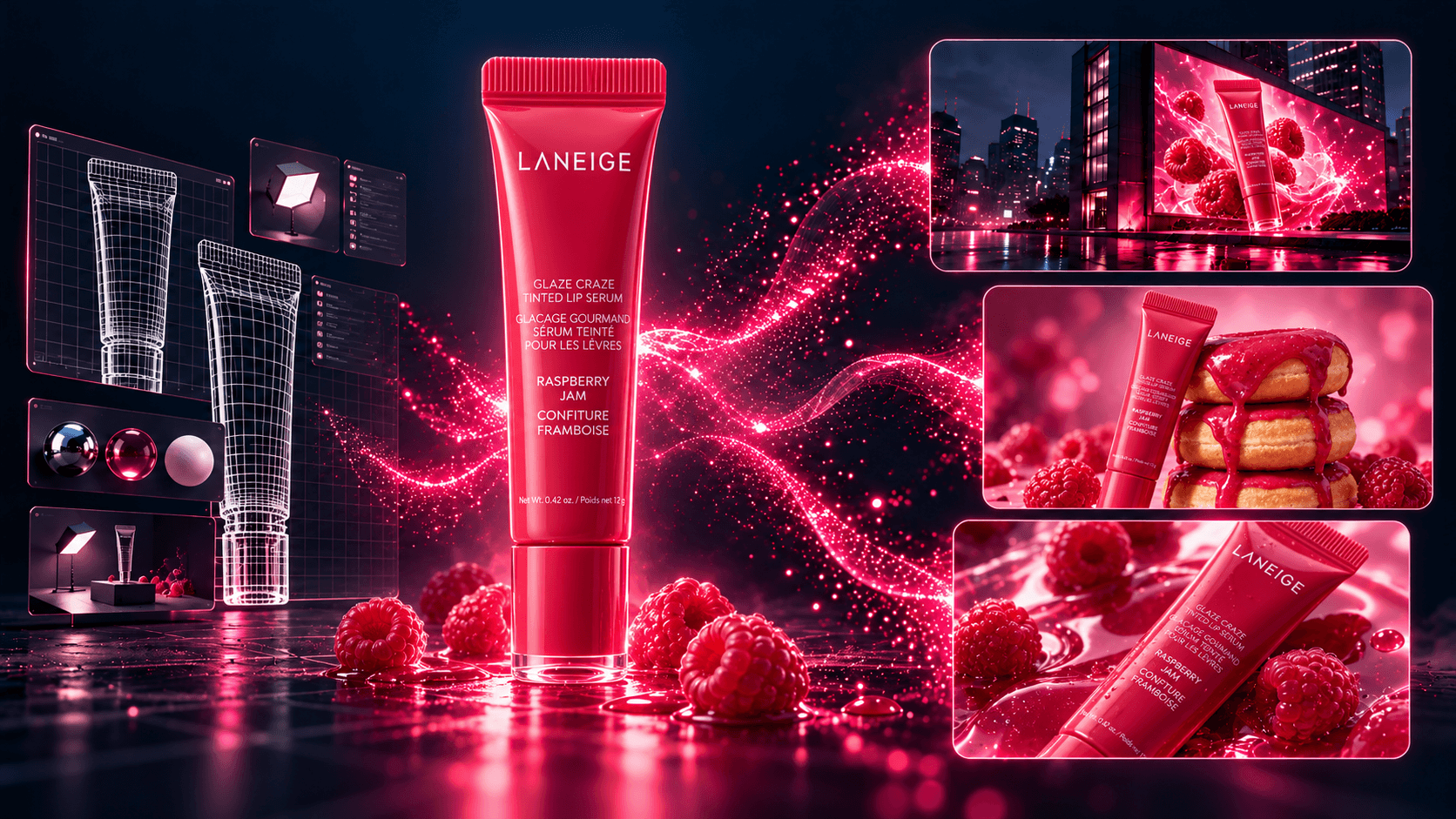
CGI and AI-generated advertising overlap, but they are not the same
production method.
Traditional CGI gives artists direct control over digital models,
materials, lighting, animation, and scenes.
Generative AI creates visual outputs from prompts, reference images,
source frames, or other inputs.
AI can accelerate creative production, but generated outputs can
introduce another challenge: consistency.
A product may change slightly between generations. A character's face
may shift. An environment may lose important details. Brand colors or
packaging can also drift.
That matters because marketing teams rarely need only one image.
They need campaigns.
Where traditional CGI remains useful
Traditional CGI is useful when exact geometry, materials, animation, or
product details require precise control.
Where generative AI helps
Generative AI can be useful for rapid exploration, cinematic
environments, variations, motion, effects, and other creative production
tasks.
Where hybrid workflows make sense
Many modern campaigns benefit from combining both.
The practical question is:
Which production method gives each part of the campaign the right
balance of accuracy, flexibility, speed, and consistency?
Common CGI Advertising Mistakes
1. Starting with the effect instead of the objective
"What incredible CGI can we make?" is usually the wrong first question.
Start with:
What should the audience understand?
What should they remember?
What action should they take?
Then choose the visual approach.
2. Allowing the product to drift
Product inconsistencies become especially noticeable across multiple
AI-generated scenes.
Control:
Packaging
Proportions
Materials
Colors
Logos
Product details
3. Treating every generation independently
Rebuilding prompts and references for every asset creates unnecessary
variation.
A persistent creative foundation is easier to manage than recreating
context repeatedly.
4. Producing only the hero film
Campaign requirements should be defined before production begins.
The master commercial should provide a foundation for:
Social edits
Paid ads
Product visuals
Short-form content
Alternate hooks
Localized executions
5. Ignoring localization
Localization is more than translating captions.
It can involve:
Voiceover
Scripts
Visual context
Cultural relevance
Aspect ratios
Platform behavior
For MENA campaigns, Arabic should be part of the production workflow
rather than a final translation step.
Best Practices for CGI Advertising

Build around the campaign goal
Define the objective before selecting the visual approach.
Common goals include:
Awareness
Engagement
Leads
Sales
Retention
Product education
Lock the product before scaling
Create approved product references before producing large numbers of
campaign assets.
Separate what can change from what cannot
An environment may change completely while the product identity remains
fixed.
This distinction is especially important in AI-assisted production.
Design for multiple formats early
Plan for:
16:9
9:16
Square
Short-form video
Product stills
Localized versions
Do not wait until the hero film is finished.
Use different models for different creative tasks
AI video models have different strengths.
A production workflow should let teams choose the appropriate model for
individual scenes instead of rebuilding the entire process around one
provider.
Keep editing inside the production plan
Generation is only one part of advertising production.
Editing, VFX, sound, transitions, upscaling, voiceover, captions, and
finishing still matter.
For teams exploring this workflow, ALStudio
connects CGI and AI filmmaking with persistent Product DNA, Brand DNA,
Character DNA, and Environment DNA so campaign identity can continue
across production instead of being rebuilt for every generation.
A Practical CGI Advertising Workflow for a Product Launch
Imagine an ecommerce team launching one product across several markets.
The campaign requires:
Hero CGI commercial
Vertical social videos
Short paid-media edits
Product visuals
Alternate creative hooks
English execution
Arabic execution
Stage 1: Build the campaign foundation
Define:
Objective
Audience
Concept
Script
Storyboard
Product identity
Brand identity
Campaign environment
Required formats
Treat the product as a reusable campaign asset rather than a reference
that must be reconstructed for every scene.
Stage 2: Produce the master creative
Create the CGI or AI-assisted scenes.
Use different production methods according to the requirements of each
shot.
Product-critical sequences may require tighter control, while generative
models can support environments, effects, motion, or creative
variations.
Stage 3: Finish the film
Move approved shots into editing and post-production.
Add:
Sound
Voiceover
VFX
Transitions
Upscaling
Color
Timing
Captions
Stage 4: Scale into campaign assets
Turn the approved creative into:
Social edits
Alternate hooks
Product stills
Paid-media variations
Localized versions
Website assets
Without persistent creative context, teams may repeatedly reintroduce
product references, brand rules, environments, and creative direction.
With ALStudio, Product DNA can preserve product
identity, Brand DNA can carry the brand system, Character DNA can
preserve recurring characters, and Environment DNA can maintain the
approved campaign world.
CGI Advertising for Agencies and Enterprise Teams
Agencies and enterprise teams need CGI advertising workflows that can
scale beyond individual generations while maintaining brand control.
For agencies, the challenge is often managing several campaign
identities at the same time.
One client's:
Product
Character
Environment
Brand rules
should remain separate from another client's campaign.
Persistent creative identity can help teams work from approved
foundations while producing variations.
Enterprise teams face a similar challenge at a larger scale.
Different:
Teams
Regions
Agencies
Markets
Campaigns
may all produce content for the same brand.
Without shared creative infrastructure, outputs can gradually move away
from the approved identity.
The challenge is therefore not only generation capacity.
It is controlled generation at scale.
How ALStudio Approaches CGI Advertising
ALStudio treats CGI advertising as part of a broader Creative AI OS
rather than as an isolated video-generation task.
ALStudio connects creative workflows for
planning, content creation, filmmaking, editing, marketing, and campaign
production.
Film Studio
Film Studio supports a cinematic workflow that can move from:
Story idea → Script → Storyboard → Character and Environment
development → Scene generation → Voiceover → Final film
Constants Studio
Constants Studio provides the shared memory layer for:
Brand DNA
Product DNA
Character DNA
Environment DNA
These feed ALStudio's Consistency Engine, which is designed around:
Character consistency
Product consistency
Scene consistency
Brand consistency
This architecture is designed around a practical problem: individual
generation quality is not enough when the next scene changes the
product, character, environment, or brand identity.
Content Studio
Content Studio supports:
Briefs
Scripts
Captions
Campaign content
Written creative
Editor Studio
Editor Studio supports post-production workflows such as:
Editing
VFX
Upscaling
Background replacement
Object removal
Visual transformation
Marketing Studio
Marketing Studio connects campaign objectives with production workflows
and includes Social Factory for expanding one brief across platforms.
For MENA teams, ALStudio is built Arabic-first and supports voiceover
across 22+ Arabic dialects.
The goal is not simply to produce another CGI clip.
It is to create a repeatable production system that helps teams move
from brief to campaign.
When Should You Use CGI Advertising?
CGI advertising is particularly useful when:
The concept cannot easily be filmed
Product visualization is central to the campaign
A product needs to appear across multiple environments
The campaign requires unusual transformations or effects
Multiple creative variations are required
Social-first visual concepts support the campaign objective
Digital assets need to be reused
The campaign combines AI, CGI, and live action
Multiple formats or markets need the same creative identity
Traditional filming may remain the better choice when authentic human
performance, real-world interaction, or documentary credibility is
central to the idea.
In many cases, the strongest approach is hybrid.
How to Make CGI Advertising More Effective
Creating CGI is only the production step. To make the work contribute to
stronger marketing performance, connect the creative to measurable
campaign actions.
1. Match each asset to a clear job
Do not use the same video for every stage of the customer journey.
Create different assets for:
Awareness
Product education
Consideration
Retargeting
Conversion
Retention
2. Create multiple hooks
Instead of producing one opening, test several:
Product-first hook
Problem-first hook
Transformation hook
Visual surprise
Benefit-first hook
This gives the campaign more opportunities to find the creative
direction that works with the audience.
3. Build reusable product assets
A controlled product asset can support multiple:
Videos
Product images
Social posts
Paid ads
Landing pages
Market adaptations
This helps teams get more campaign outputs from the same creative
foundation.
4. Localize before publishing
For MENA campaigns, consider Arabic voiceover, dialect, captions,
cultural context, and platform format during production rather than
after the campaign is complete.
5. Track practical campaign metrics
Measure the outcomes that matter to the campaign, such as:
Cost per qualified lead
Conversion rate
Click-through rate
Watch-through rate
Add-to-cart rate
Sales
Cost per asset
Production time
Number of usable campaign variations
Localization turnaround time
The point is not to produce more CGI for its own sake. The point is to
make each production cycle create more useful campaign assets and
support clearer marketing outcomes.
CGI Advertising Checklist
Before production starts, confirm:
Strategy
Campaign objective is defined
Audience is defined
Key message is clear
Desired action is clear
Distribution channels are known
Creative
Concept is approved
Script is approved
Storyboard is ready
Visual direction is defined
Camera direction is defined
Product
Product references are approved
Packaging is accurate
Logo placement is confirmed
Colors and materials are defined
Product proportions are controlled
Brand
Logo rules are defined
Color palette is defined
Typography is defined
Visual language is approved
Brand tone is clear
Production
CGI workflow is selected
AI workflow is selected where appropriate
Live-action requirements are defined
VFX requirements are defined
Voiceover requirements are defined
Editing requirements are defined
Distribution
16:9 version planned
9:16 version planned
Square version planned
Short cutdowns planned
Product stills planned
Localized versions planned
Paid-media variations planned
Conclusion: CGI Advertising Is Becoming a Production System
CGI advertising gives marketing teams more than the ability to create
impossible visuals.
Its value comes from controlling products, environments, scenes, and
campaign variations while reducing dependence on what can physically
happen in front of a camera.
Generative AI expands these possibilities further, but it also makes
consistency more important.
A beautiful generated shot is useful.
A repeatable creative identity that survives the hero film, vertical
cutdowns, product visuals, localized versions, and the next campaign is
much more valuable to a marketing operation.
That is the problem ALStudio is designed around.
ALStudio connects Product DNA, Brand DNA,
Character DNA, and Environment DNA with Film Studio, Marketing Studio,
Content Studio, and Editor Studio inside one Creative AI OS.
Start creating CGI advertising with ALStudio and build the campaign,
not just the clip.
Frequently Asked Questions
1. How much does CGI advertising cost?
CGI advertising costs vary depending on product complexity, modeling,
animation, realism, environments, simulations, rendering, compositing,
revisions, and the number of deliverables. AI-assisted workflows can
accelerate some production stages, but creative direction, consistency,
editing, and quality control still affect the total production scope.
2. How do you implement CGI advertising in a marketing campaign?
Start with the campaign objective, then define the concept, storyboard,
product references, brand rules, and required formats. Produce the CGI
or AI-assisted scenes, complete editing and post-production, and then
adapt the approved creative into social, paid-media, ecommerce, and
localized assets.
3. Is CGI advertising better than traditional video production?
CGI is well suited to impossible environments, product transformations,
controlled product visualization, and concepts that are difficult to
film. Traditional production can be useful when authentic people,
performances, or locations are central to the idea. Many campaigns
combine CGI, live action, AI generation, and post-production.
4. Can AI replace traditional CGI for advertising?
AI can accelerate concept exploration, environments, motion, effects,
and video generation, but it does not automatically replace the
precision of controlled CGI production. Product-critical campaigns may
still require tightly controlled assets. Hybrid workflows let teams use
generative AI where flexibility is useful while maintaining stronger
control where product and brand accuracy matter.
5. What outcomes can brands expect from CGI advertising?
CGI advertising can give brands greater creative flexibility, more
control over product presentation, reusable digital assets, and more
ways to adapt campaigns across formats and environments. Results still
depend on the campaign strategy, creative quality, audience, offer,
distribution, and execution.
6. How can CGI advertising support ecommerce?
CGI can help ecommerce teams create product demonstrations, product
animations, lifestyle scenes, product transformations, and variations
without rebuilding every physical setup. The same approved product
assets can then support product pages, social content, paid advertising,
and launch campaigns.
7. Can CGI advertising be combined with AI and live action?
Yes. A campaign can combine filmed people and locations with CGI
products, AI-generated environments, visual effects, motion graphics,
and traditional post-production. The production method can be selected
according to the needs of each scene.
8. How can brands keep CGI and AI-generated content consistent?
Start with approved product and brand references, then separate fixed
identity elements from flexible creative elements. A shared identity
layer can help preserve product, character, environment, and brand
information across multiple generations and campaign outputs.
9. Is CGI advertising useful for Arabic and MENA campaigns?
Yes. CGI can be combined with Arabic scripts, voiceover, captions,
localized environments, and market-specific creative. For MENA
campaigns, localization should be considered during production rather
than added only after the main English campaign is finished.
10. What is the easiest way to start creating CGI advertising?
Start with one clear campaign objective, one product or service, and one
core creative concept. Build the product and brand references first,
create the master visual, finish it professionally, and then adapt the
approved creative into the formats and markets the campaign needs.
For teams looking to manage this process in one workspace,
ALStudio provides creative workflows for
content, filmmaking, marketing, editing, and consistent brand
production.