How Much Does a Corporate Animation Video Cost?

Corporate animation cost depends on length, revisions, and complexity. See what actually drives the price and how to bring it down without cutting quality.
Corporate Animation Cost: What You’ll Pay and How Animus Agency Protects Your Budget
Corporate animation cost is not determined by video length alone. The final budget depends on creative complexity, animation style, scene count, original asset creation, voiceover, localization, revision rounds, delivery formats, and the level of visual consistency required throughout the project.
That is why two 90-second corporate videos can have very different costs. One moves smoothly from brief to approval because the script, storyboard, characters, environments, and brand direction are clearly defined. The other loses time and budget through vague feedback, late changes, inconsistent artwork, and repeated production handoffs.
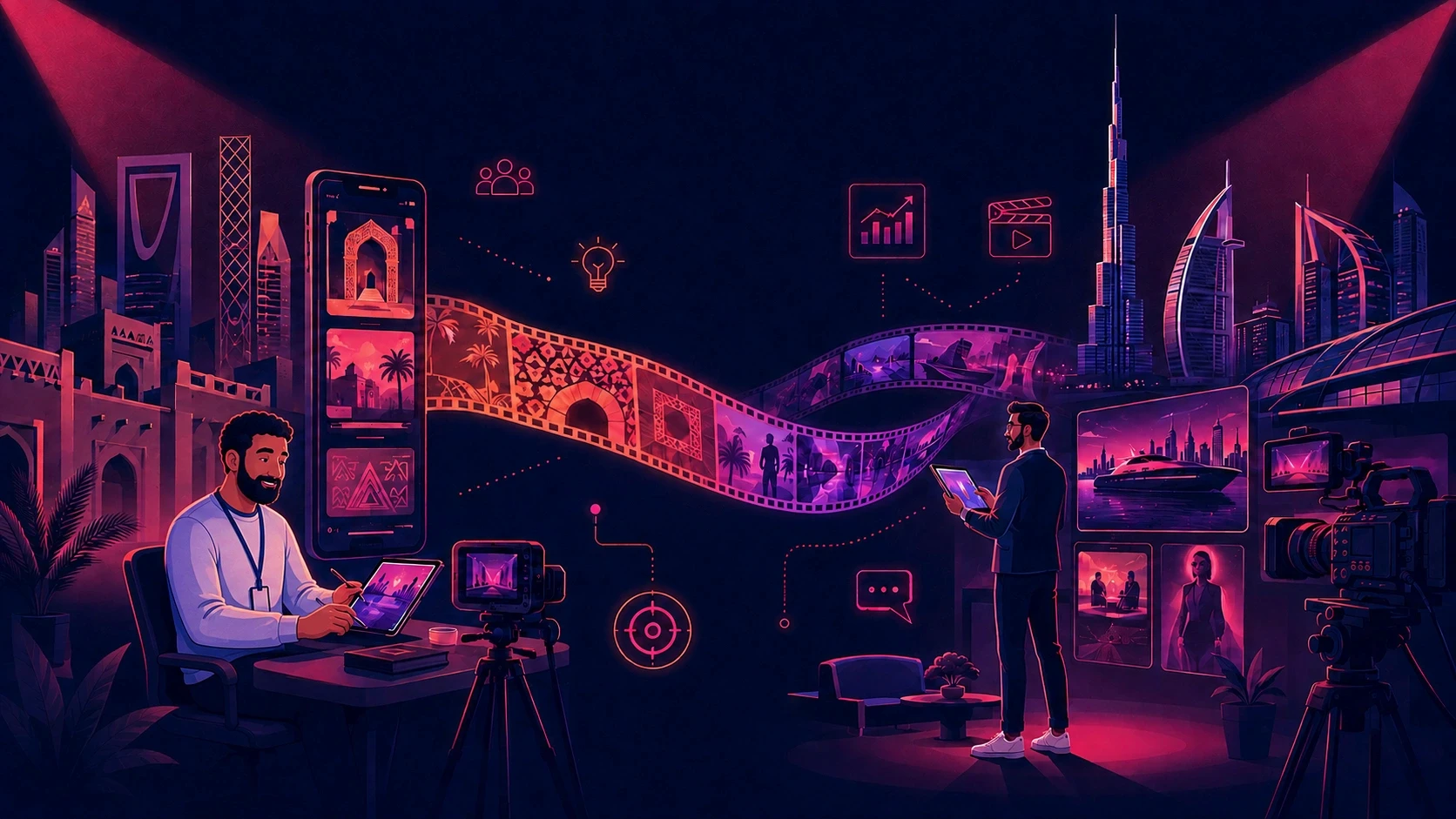
At Animus Agency, we treat animation as a complete creative production process. Our team connects strategy, storytelling, art direction, 2D and 3D animation, motion graphics, CGI, visual effects, voiceover, editing, and campaign adaptation around one approved direction.
This guide explains what drives corporate animation pricing, where hidden production costs appear, and how Animus Agency helps brands create high-impact visual content with fewer avoidable revisions.
Planning a corporate animation or branded film? Explore Animus Studio to see our animation, motion graphics, CGI, and visual storytelling capabilities.
How Much Does Corporate Animation Cost?
There is no reliable one-price-fits-all answer. A useful estimate must consider the complete production scope, not only the number of finished seconds.
A concise motion-graphics explainer using existing brand assets will usually require less production work than a character-led 2D film or a cinematic 3D animation with custom environments. A multilingual regional campaign with several formats will also cost more than a single master video, but it can create far greater campaign value when planned correctly.
The main cost drivers are:
Video length and scene count: More scenes require more design, animation, editing, and review.
Creative style: Motion graphics, 2D character animation, 2.5D, 3D, CGI, and mixed media require different production resources.
Original asset creation: Custom characters, products, props, illustrations, and environments add development time.
Level of detail: Complex movements, realistic lighting, simulations, textures, and visual effects increase production effort.
Voiceover and sound: Casting, recording, music, sound design, mixing, and multiple language versions affect scope.
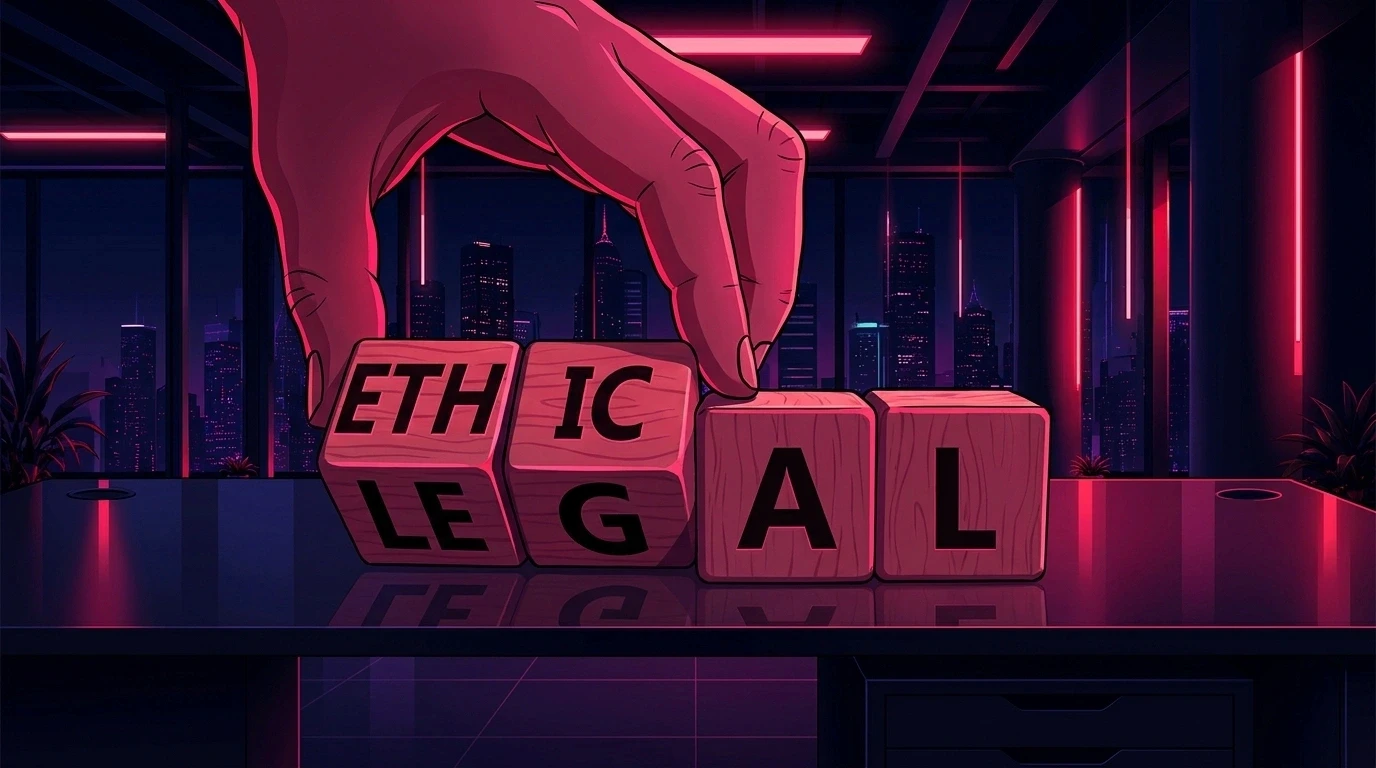
Revision rounds: Unclear feedback or late strategic changes can turn a controlled project into an open-ended expense.
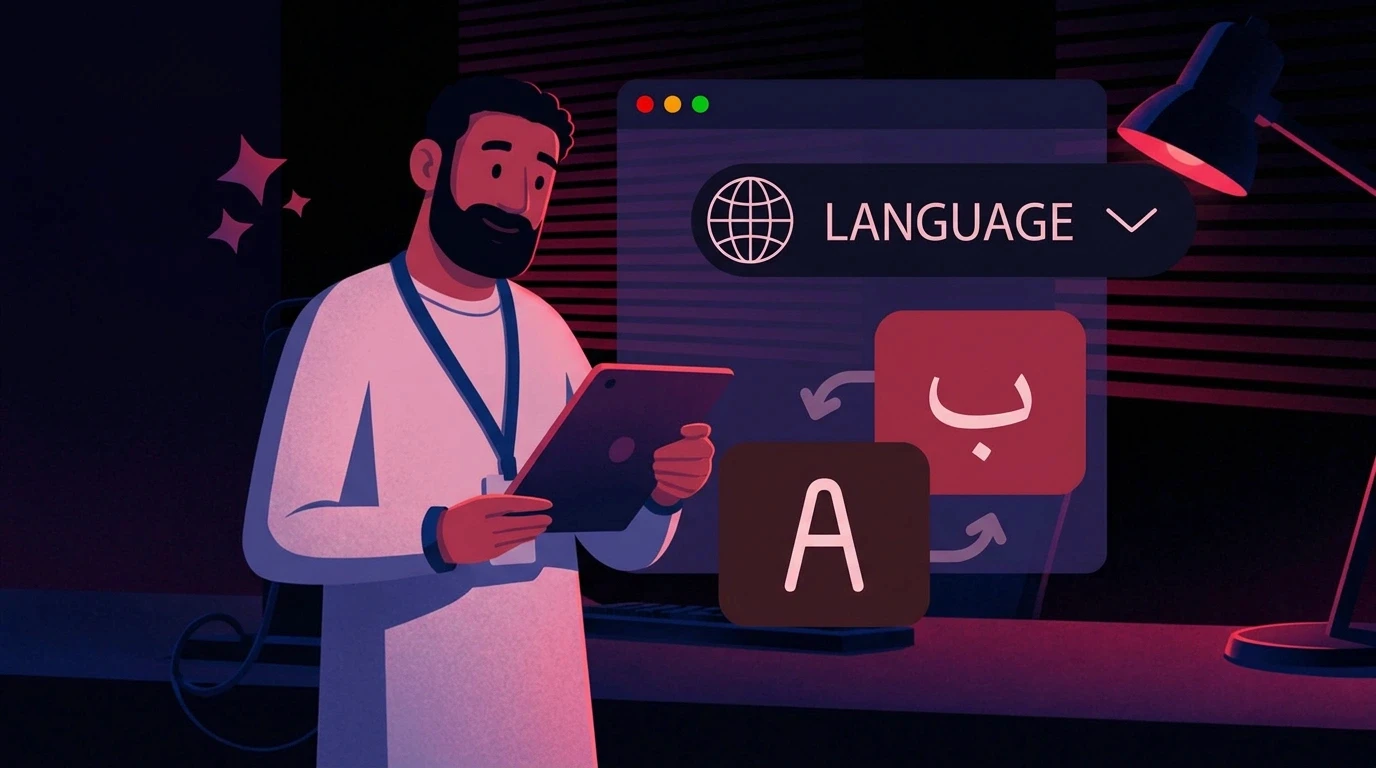
Localization: Arabic and English versions may require new voiceovers, revised timing, and adapted on-screen typography.
Output formats: Landscape, vertical, square, short cutdowns, event screens, and paid-social versions add deliverables.
Deadline: Urgent projects may require a larger team or overlapping production stages.
The practical lesson is simple: runtime influences cost, but planning and revision control determine whether the budget stays under control.
What Is Included in an Animus Agency Animation Project?
Every project is scoped around the brief, but a complete animation production may include the following stages.
1. Discovery and creative strategy
Animus begins by understanding the brand, audience, objective, key message, platform, language, and desired action. This prevents the production from becoming visually impressive but strategically unfocused.
2. Concept and script development
The central idea is shaped into a clear story. The script establishes the hook, narrative structure, voiceover, visual opportunities, pacing, and call to action.
3. Storyboarding
The storyboard maps the story scene by scene before full animation begins. It allows the client to review composition, visual flow, camera direction, transitions, and timing while structural changes are still efficient.
4. Visual development
Animus creates the visual language of the film through style frames, character sheets, environment designs, color systems, typography, product references, or 3D look development. Approving this stage protects consistency during production.
5. Animation and production
Depending on the brief, this may include 2D character animation, 3D animation, motion graphics, CGI, compositing, visual effects, or a combination of techniques. You can review the broader creative and production offering on the Animus Studio page.
6. Voiceover, music, and sound design
Audio shapes the pace and emotional impact of a film. Voice direction, music selection, sound effects, and mixing are developed to support the visual narrative.
7. Editing, quality control, and delivery
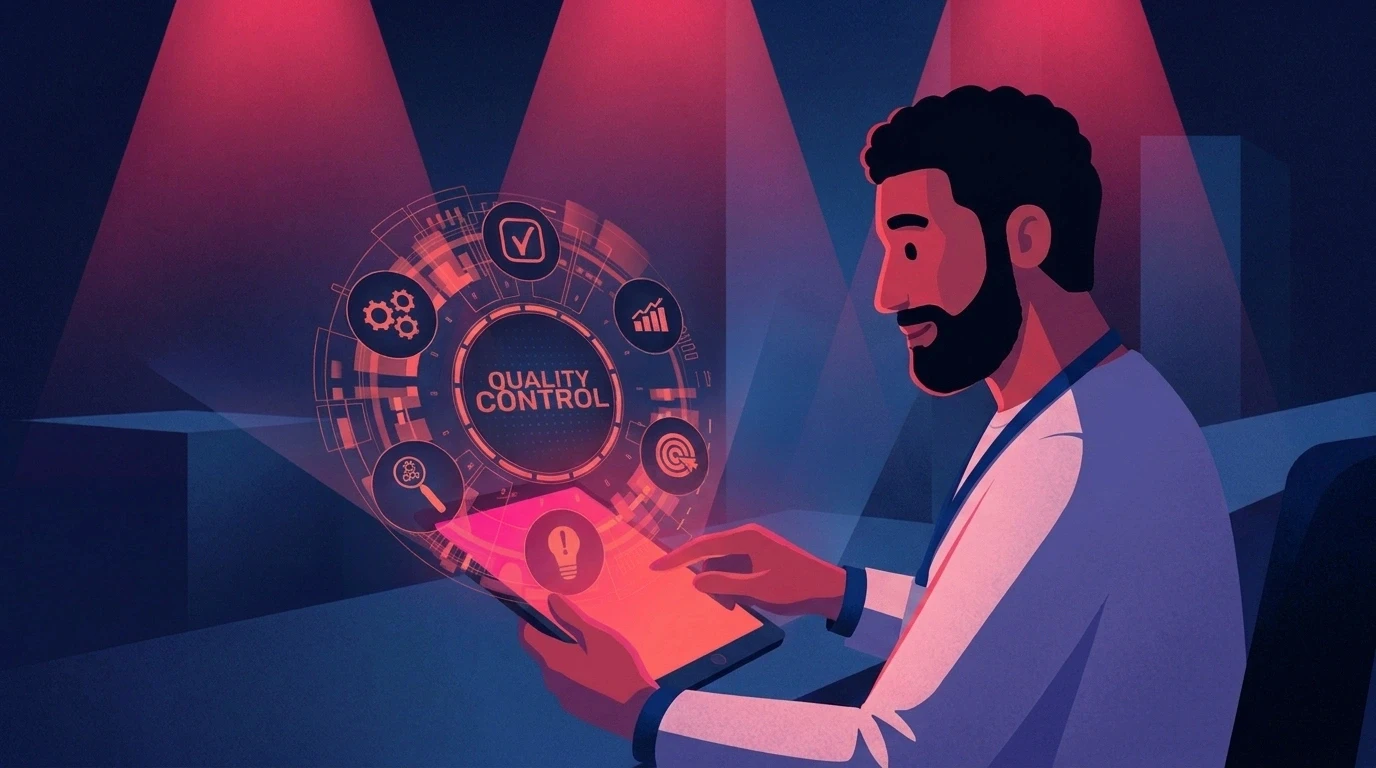
The final stage checks timing, animation quality, brand accuracy, language, audio, and technical specifications before delivery. Additional formats can then be created from the approved master.
The Hidden Costs Behind Animation Quotes
Most quotes clearly price scripting, storyboarding, design, animation, voiceover, and editing. The less visible cost often comes from correcting problems between those stages.
Rebuilding context at every handoff
When writers, designers, animators, and editors work without one shared direction, the original idea can be reinterpreted repeatedly. Small misunderstandings become expensive after scenes enter animation.
Character and product inconsistency
A character who changes between shots—or a product whose proportions, colors, or packaging are inaccurate—can make otherwise strong scenes unusable. Animus reduces this risk by establishing approved references before scaling production.
Late-stage brand corrections
If brand colors, typography, visual tone, or product details are not approved early, corrections may affect several completed scenes. The later the change, the greater its impact on budget and delivery.
Uncontrolled revision cycles
Feedback such as “make it more premium” is difficult to execute without a clear visual reference. Specific, consolidated feedback creates faster and more predictable revisions.
Reformatting after approval
A 16:9 master does not automatically become an effective vertical Reel, square post, or event-screen visual. If formats are confirmed late, key compositions may need redesigning rather than simply resizing.
How Animus Agency Helps Protect the Production Budget
Animus Agency combines creative thinking with a structured production workflow. The goal is not to remove collaboration or client feedback; it is to make every review stage purposeful.
One connected creative direction
Strategy, script, storyboard, design, and animation are treated as connected decisions. This gives every specialist a clear foundation and keeps the final film aligned with the original objective.
Approval gates before expensive production
Key decisions are approved in sequence. Script changes happen before animation. Character and environment changes happen before complete scene production. This prevents one late note from reopening several stages.
Consistent visual systems
Character sheets, style frames, product references, color rules, and environment designs become the source of truth for the project. This helps recurring elements remain recognizable from beginning to end.
Campaign-ready planning
Animus can plan the hero film alongside its cutdowns, social formats, stills, thumbnails, and localized versions. This allows the original production to support a wider campaign instead of serving only one upload.
Regional and international execution
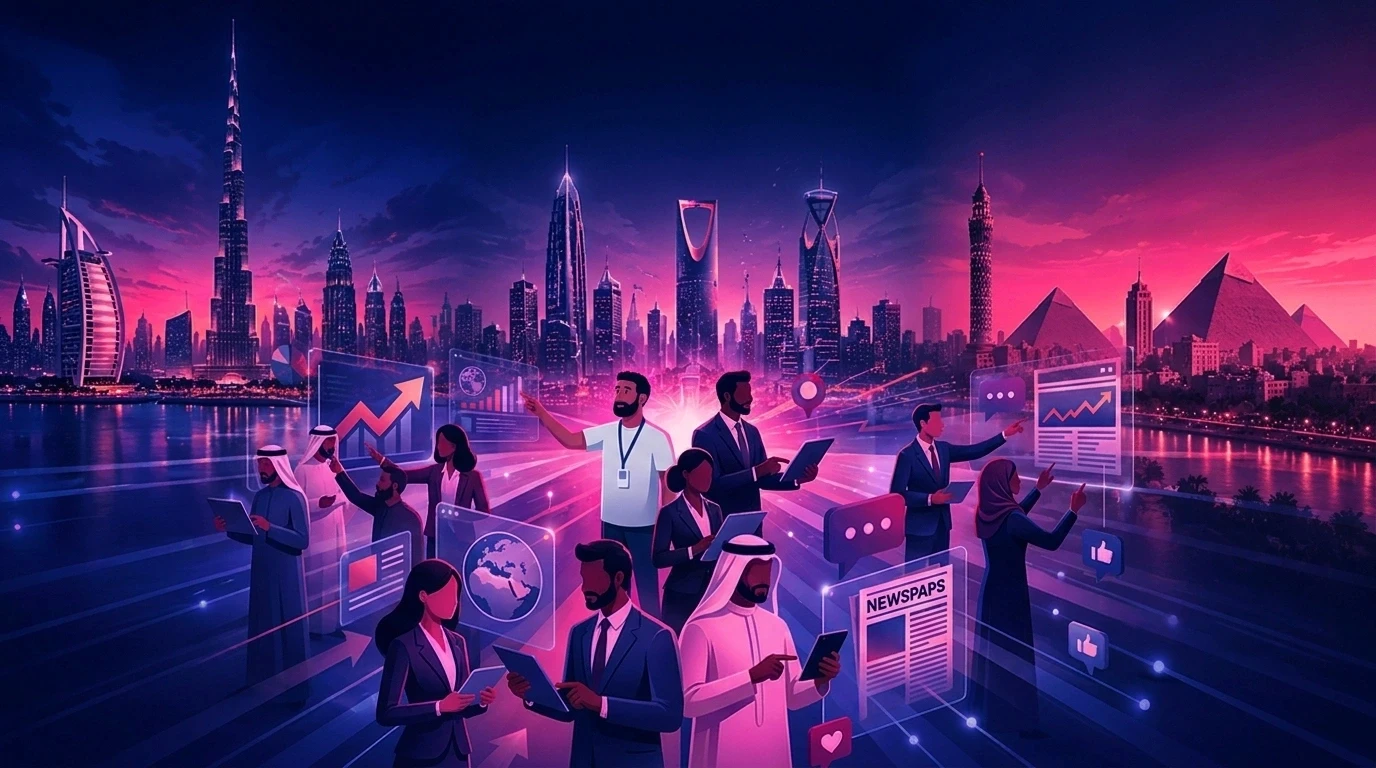
With a presence across Dubai, London, and Cairo, Animus brings regional understanding and international production standards together. This is valuable for brands that need Arabic and English content or creative that travels across markets.
To explore Animus’s wider services across creative content, marketing, branding, and digital experiences, visit the Animus Agency page.
Corporate Animation Cost by Production Style
Motion graphics
Motion graphics are effective for explainers, corporate presentations, event films, statistics, product features, and brand communication. Cost is influenced by illustration complexity, number of scenes, typography, icon design, transitions, and the amount of original artwork required.
2D character animation
2D character animation works well for awareness campaigns, education, storytelling, internal communication, and branded entertainment. The budget is shaped by character design, number of characters, acting complexity, lip sync, environments, and scene count.
3D animation and CGI
3D animation and CGI are often used for product launches, technical visualization, cinematic advertising, and ideas that are difficult to film. Modeling, texturing, rigging, lighting, simulation, rendering, and compositing all influence cost.
Mixed-media production
Some concepts need a combination of live action, motion graphics, 2D animation, 3D elements, or visual effects. Mixed-media work can create a distinctive result, but it requires especially careful planning to make every element feel like part of the same visual world.
Corporate Animation Cost by Business Use Case
Brand and corporate films
A corporate or brand film may include original visual development, a branded environment, character or product scenes, voiceover, music, and several social edits. The strongest savings usually come from approving the core visual direction before full production.
Product launches
Product animation may require accurate modeling, materials, lighting, close-up details, ingredient or feature visualization, and multiple product angles. Accuracy is essential because small errors can make the final asset unsuitable for marketing.
Awareness and educational campaigns
These projects often use character animation or motion graphics to make complex or sensitive information easier to understand. Script clarity, audience suitability, visual tone, and accessibility are central to the production.
Internal communication and training
Corporate training films may require multiple modules, recurring characters, branded environments, subtitles, and language versions. Reusing the same visual system across a series improves consistency and cost efficiency.
Regional campaigns
Campaigns across the GCC and MENA may need Arabic and English versions, different voiceovers, culturally relevant visuals, and several platform formats. Planning localization from the beginning reduces layout and timing problems later.
How to Calculate the Real Return on Animation
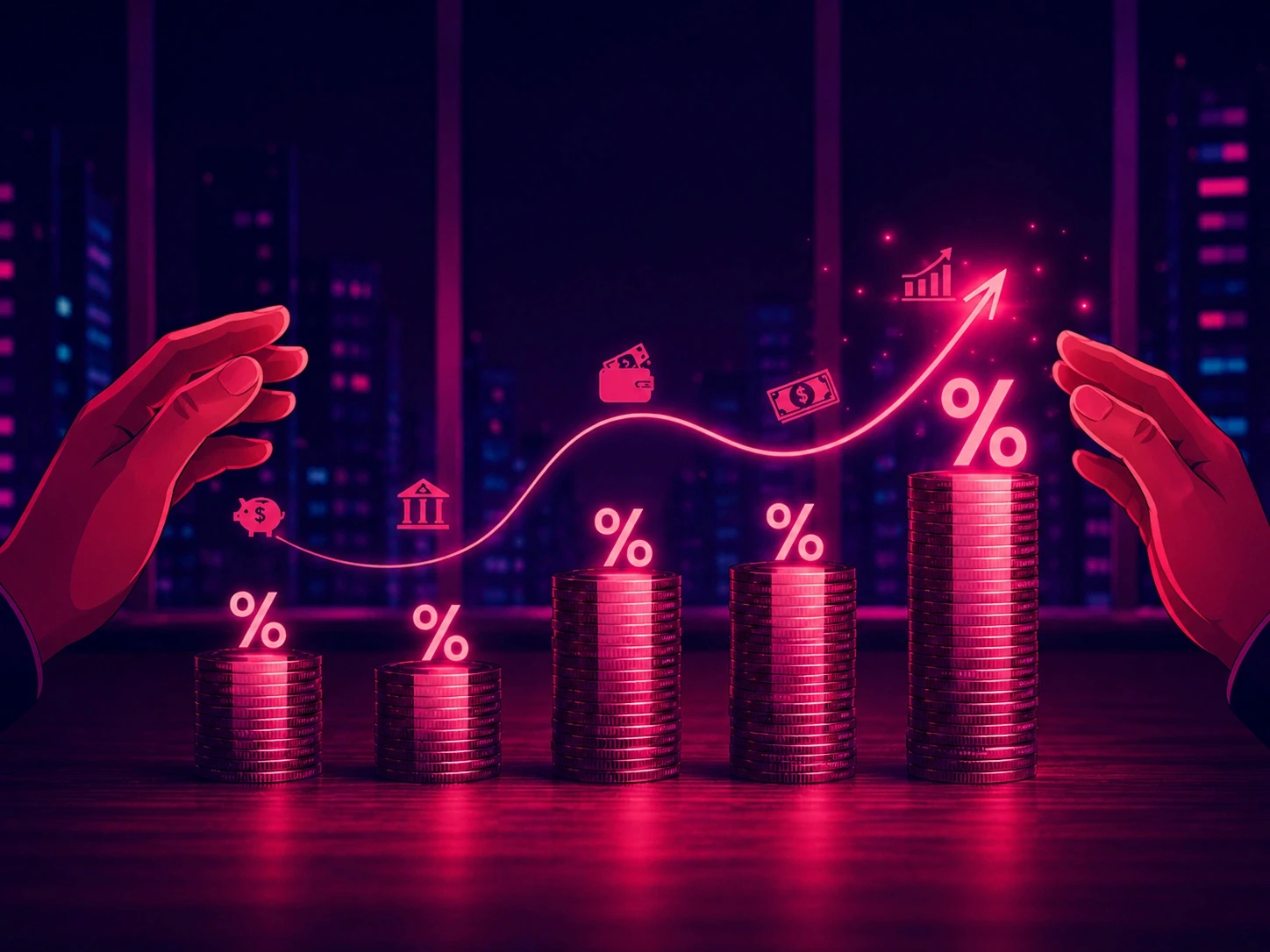
The cheapest quote is not always the option with the strongest return. Compare the value of the complete content system, not only the hero video.
Total production cost = creative development + production + revisions + localization + adaptations + internal review time
Cost per usable asset = total production cost ÷ number of approved, publish-ready assets
A high-quality master film that becomes six campaign assets may offer greater value than a cheaper one-off video that cannot be adapted or reused.
Useful metrics include:
Number of approved deliverables created from the concept
Average production time per deliverable
Number of revision rounds
Time from brief approval to campaign launch
Percentage of characters, environments, or product assets reused
Cost per published creative
Campaign performance across different edits and formats
Seven Ways to Reduce Corporate Animation Cost
1. Define the business objective
Decide whether the film should build awareness, explain a service, launch a product, generate leads, educate an audience, or train employees.
2. Build one complete brief
Include the audience, message, CTA, tone, duration, scenes, brand rules, languages, delivery formats, deadline, and approval owners.
3. Finalize the script early
A line is easy to change in a document. The same change becomes expensive after storyboarding, voiceover, and animation.
4. Approve a representative style frame
Confirm the character, product, environment, typography, color, and lighting direction before producing every scene.
5. Consolidate stakeholder feedback
One clear set of comments prevents conflicting instructions and unnecessary revision rounds.
6. Plan every format at the storyboard stage
Identify 16:9, 1:1, 4:5, and 9:16 requirements early so key subjects, titles, and CTAs remain safe across platforms.
7. Design for reuse
Plan the hero film, cutdowns, teasers, stills, localized versions, and follow-up content as one connected campaign system.
What to Ask Before Approving an Animation Quote
Which creative and production stages are included?
How many original characters, products, and environments are required?
How many revision rounds are included?
What counts as a revision versus a scope change?
Are voiceover, music, subtitles, translation, and localization included?
Which durations, aspect ratios, and file formats will be delivered?
Can approved assets be reused in future campaigns?
Who owns the final files and source assets?
What feedback and approval schedule is expected from the client?
How will visual and brand consistency be maintained?
These questions reveal the difference between an attractive starting price and a production plan that remains predictable through final delivery.
Why Brands Choose Animus Agency
Animus is an award-winning creative partner trusted by leading brands for bold storytelling and high-impact visual content. Our production capabilities include motion graphics, 2D and 3D filmmaking, CGI, visual effects, branding, social content, and creative marketing.
Brands work with Animus when they need:
One creative partner from concept to final delivery
Strong storytelling supported by professional art direction
Consistent characters, products, and branded environments
High-quality 2D, 3D, motion-graphics, or CGI production
Arabic and English campaign content
Multiple platform formats from one production foundation
A team with regional insight and international reach
Our focus is not simply to make animation look impressive. It is to create purposeful visual content that communicates clearly, reflects the brand, and delivers value across the campaign.
The Bottom Line
Corporate animation cost rises fastest when requirements are discovered late, visual decisions remain unclear, and completed work must be rebuilt. The best way to protect the budget is to define the objective, lock the script and visual direction early, consolidate feedback, and plan every campaign output before animation begins.
Animus Agency brings these decisions into one connected production workflow—from strategy and storytelling to animation, post-production, and final campaign assets.
Ready to discuss your project? Contact Animus Agency to share your brief and start a conversation.
Frequently Asked Questions
How much does corporate animation cost?
Corporate animation cost depends on runtime, style, scene count, original asset creation, animation complexity, voiceover, localization, formats, deadline, and revision scope. A detailed brief is required for an accurate quote.
What services does Animus Agency provide?
Animus provides creative strategy, animation and production, 2D and 3D filmmaking, motion graphics, CGI, visual effects, branding, social content, and wider creative marketing services.
How long does an animation project take?
The timeline depends on the scope and approval speed. The Animus Agency website lists animation and CGI projects at approximately three to six weeks, while complex productions or campaigns with many deliverables may require longer.
Can Animus create Arabic and English versions?
Yes. Animus can plan voiceover, on-screen typography, subtitles, timing, and layouts for Arabic and English content, including regional campaign adaptations.
Can one animation be adapted for social media?
Yes. A master animation can be planned for vertical, square, landscape, short-form, teaser, and platform-specific versions. These requirements should be confirmed during the storyboard stage.
How can I reduce animation costs without lowering quality?
Provide a complete brief, approve the script and visual direction early, consolidate stakeholder feedback, and plan all formats and language versions before production begins.
How do I start a project with Animus Agency?
Prepare a short brief covering your objective, audience, key message, expected duration, preferred style, platforms, formats, languages, deadline, and available brand assets. Then contact Animus Agency through the official contact page.