Motion Graphics vs Animation: What Does Your Project Actually Need?

Motion graphics vs animation explained with examples, costs, use cases and a decision framework to help you choose the right approach for your next project.
Motion Graphics vs Animation: Which Gives Your Marketing Project Better ROI?
The motion graphics vs animation decision is not really about which style looks better. For marketing teams, agencies, and brands, the better question is:
Which production approach delivers the message, supports the campaign, and gives you the most usable content for the budget?
Motion graphics are often the stronger choice for explaining products, software, data, features, and processes. Animation is more effective when characters, products, environments, emotion, or storytelling need to drive the message.
But the highest-ROI projects often combine both.
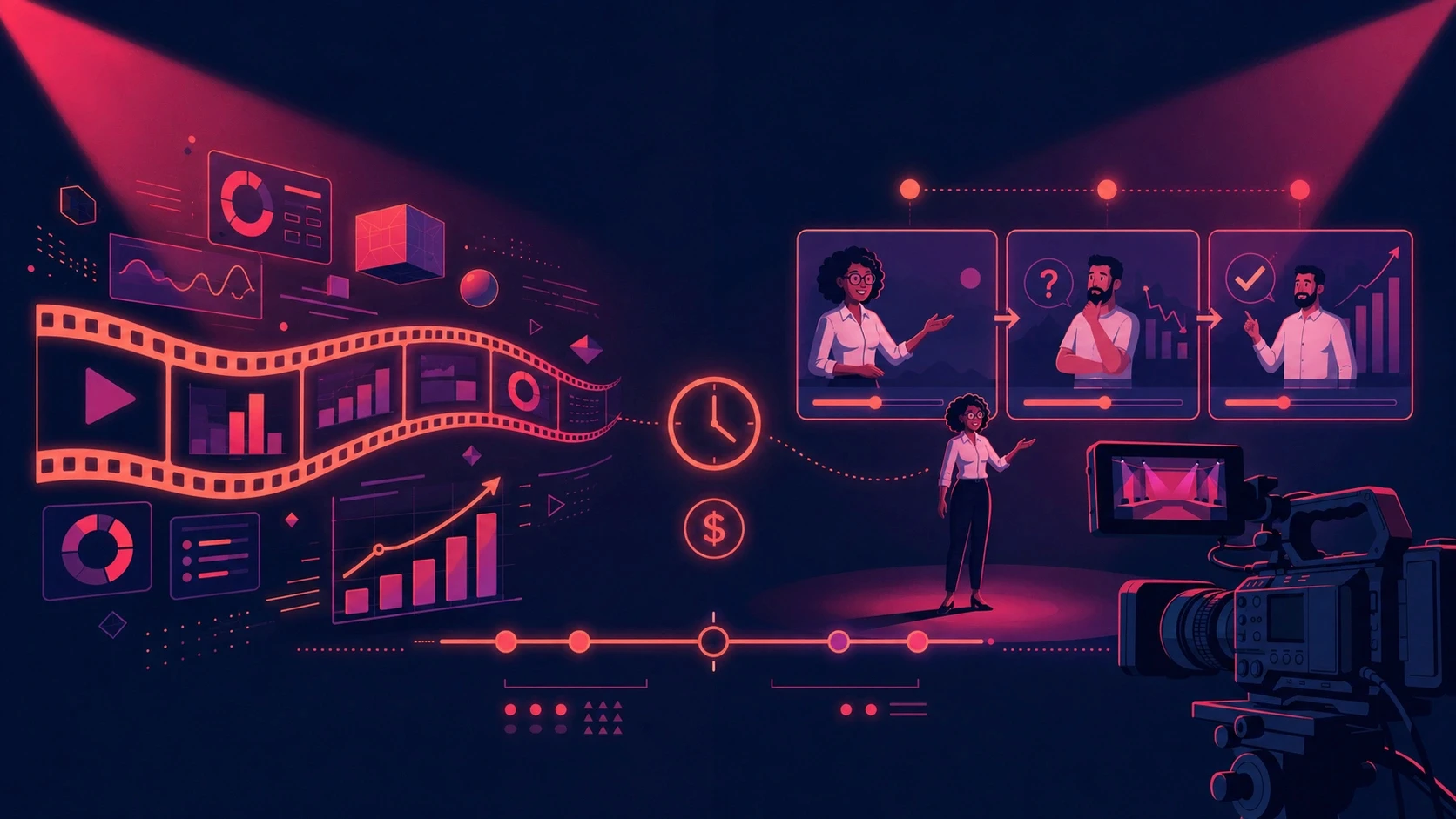
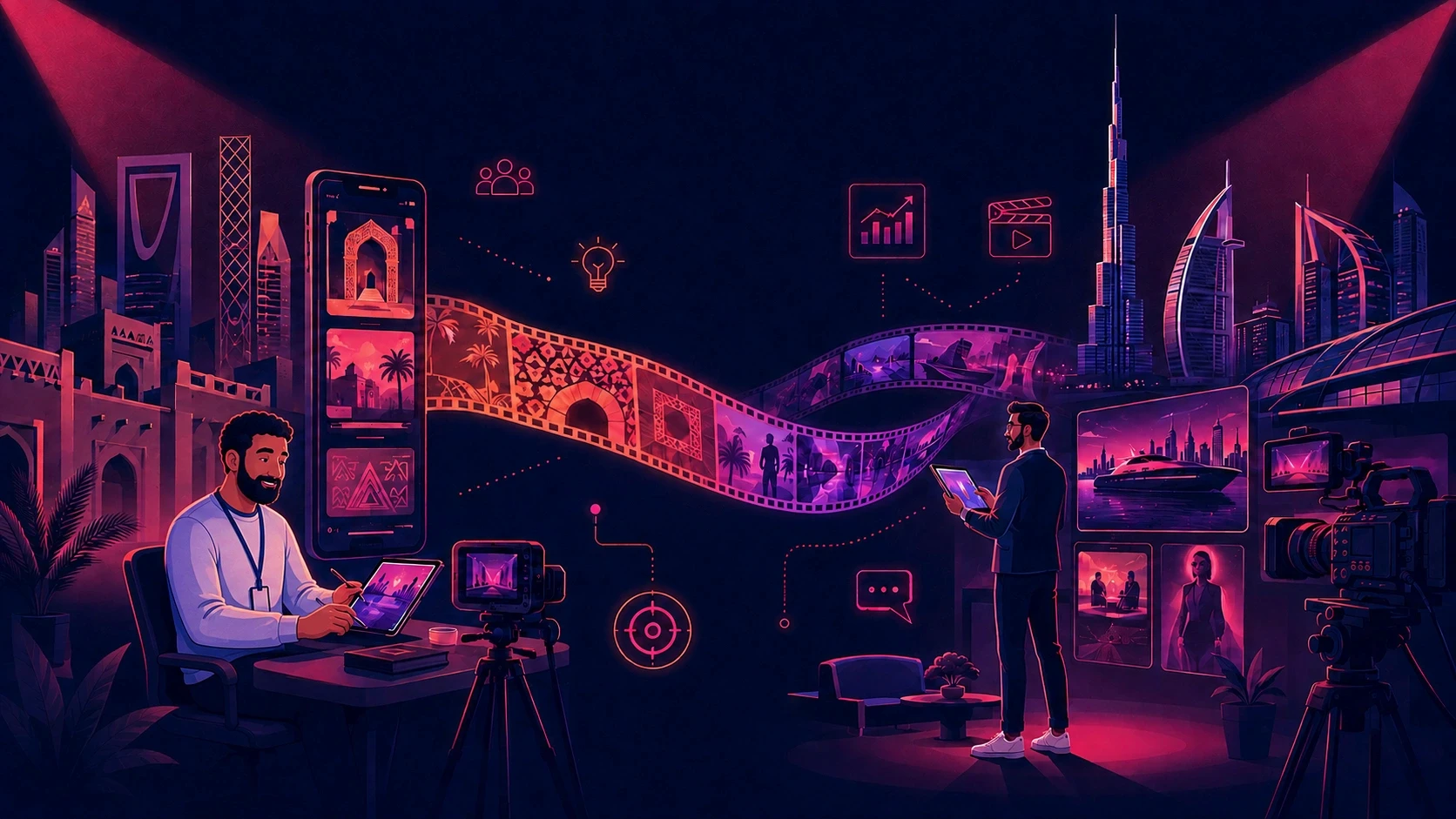
A product launch might use 3D animation for the hero product sequence, motion graphics for feature explanations, animated UI for demonstrations, and branded typography for the CTA. That same production system can then generate social cutdowns, vertical versions, localized edits, paid-ad variations, and future campaign assets.
So instead of asking:
“Do we need motion graphics or animation?”
Ask:
“What production approach gives us the strongest result per asset, per dollar, and per campaign?”
That shift matters because the cheapest video is not necessarily the most cost-effective video.
A video that costs less but cannot be adapted, localized, reused, or maintained consistently may create more production costs later.
Motion Graphics vs Animation: The Quick Answer
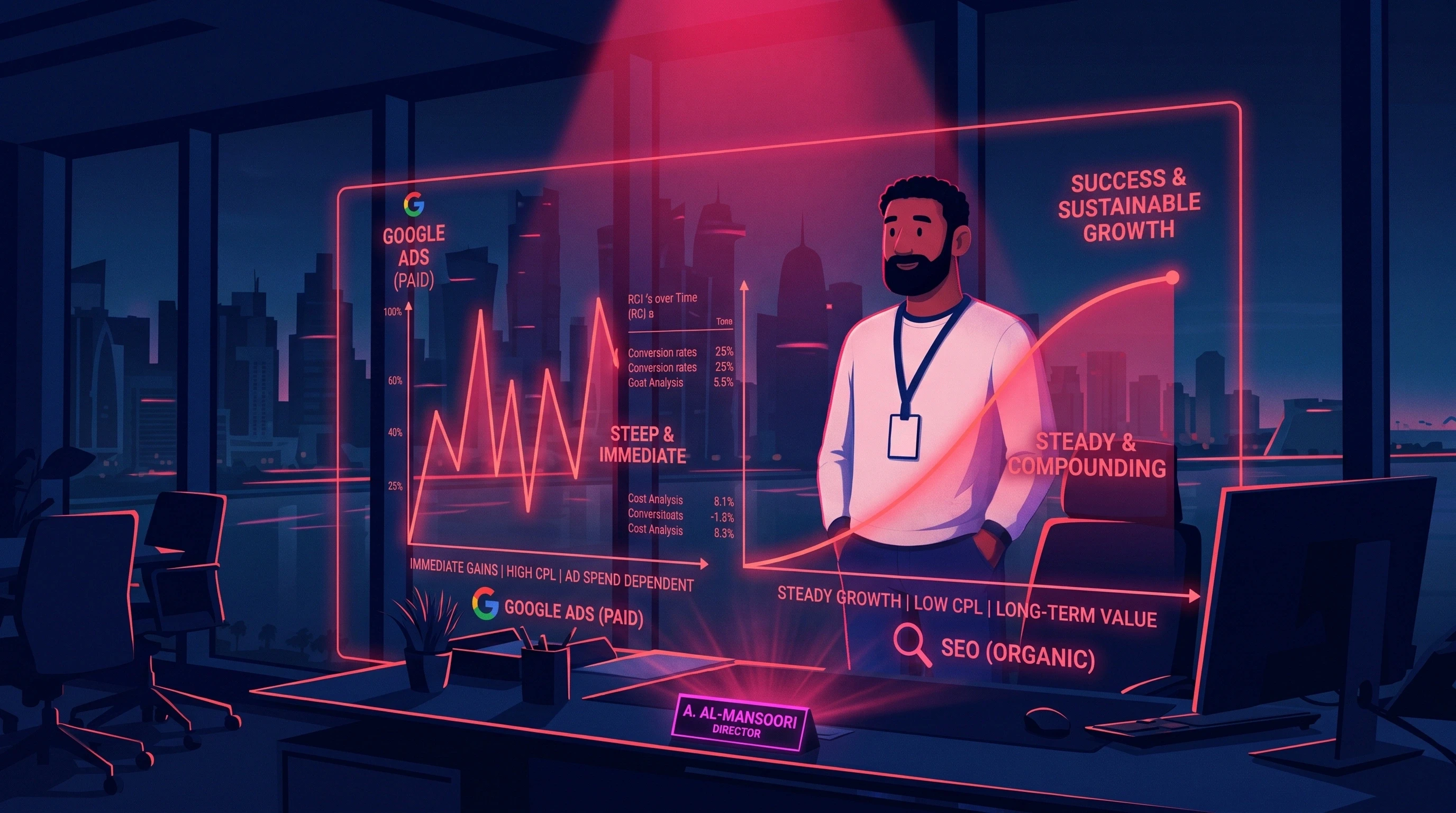
Motion graphics are best when movement needs to make information easier to understand. Animation is best when movement needs to create an experience, action, character, or story.
Choose motion graphics for:
Product features
Software demonstrations
Data
Statistics
Typography
UI
Processes
Short performance ads
Choose animation for:
Character storytelling
Product visualization
Narrative advertising
Emotional campaigns
Complex environments
Brand worlds
Demonstrating physical actions
Choose hybrid production when you need both attention and information.
The ROI shortcut
For SaaS features, software demonstrations, data, and UI, motion graphics can provide a highly efficient way to communicate information.
For product visualization, customer stories, character-led campaigns, and emotional advertising, animation can create stronger visual and narrative impact.
For product launches and recurring campaigns, hybrid production can combine both approaches and create more reusable content from the same creative investment.
The highest ROI usually comes from choosing the simplest technique that achieves the communication goal—and designing the production so the resulting assets can be reused.
What Is Motion Graphics?
Motion graphics is animation applied primarily to graphic-design elements such as typography, icons, interfaces, charts, shapes, logos, and diagrams.
Its biggest commercial advantage is clarity.
Instead of forcing the audience to process a large amount of information simultaneously, motion can control what appears, where attention goes, and how one idea connects to the next.
This makes motion graphics particularly effective for:
SaaS companies
Technology brands
Financial services
Corporate communications
Product launches
Explainer videos
Social advertising
Presentations
Data visualization
Why motion graphics can deliver strong ROI
Motion graphics can be efficient when a campaign needs to communicate multiple messages quickly.
For example, a 30-second software video could introduce:
The problem
The product
Three key features
The main benefit
The CTA
Instead of producing five separate videos, one structured motion graphics system can communicate all five points and then be adapted into shorter assets.
That makes the production more valuable beyond the original video.
For teams exploring scalable AI content production, this modular approach can also make it easier to turn one approved creative direction into multiple content formats.
What Is Animation?
Animation is the broader process of creating the appearance of movement across characters, products, objects, environments, graphics, or images.
Animation can include:
2D animation
3D animation
Character animation
CGI
Product animation
Animated illustration
Motion graphics
Experimental animation
Its commercial advantage is visual freedom.
A brand can show a product from impossible angles, create a fictional world, visualize an invisible process, or tell a story that would be expensive or impossible to film.
Why animation can deliver strong ROI
Animation becomes particularly valuable when one visual asset can demonstrate something that would otherwise require:
Multiple filming locations
Physical prototypes
Actors
Sets
Complex camera setups
Product samples
Reshoots
A 3D product animation, for example, can potentially show the exterior, interior, components, materials, functionality, and different configurations from one digital asset.
The initial production may be more involved, but the underlying asset can become reusable campaign infrastructure.
This is where Product DNA can become valuable in an AI production workflow: instead of treating every product generation as an isolated prompt, teams can establish a persistent product identity that can support multiple creative outputs.
Motion Graphics vs Animation: The Real Difference
The easiest way to compare motion graphics vs animation is to ask what the movement is doing.
Motion graphics primarily use movement to:
Explain information
Direct attention
Visualize data
Demonstrate interfaces
Communicate features
Reinforce branding
Support conversion
Animation can use movement to:
Tell stories
Create characters
Demonstrate physical actions
Build environments
Visualize products
Create emotional experiences
Develop memorable brand worlds
Neither is inherently more valuable.
The ROI comes from matching the production technique to the business objective.
For brands using multiple AI tools, this distinction is also important because producing individual assets is only one part of the workflow. The larger challenge is maintaining consistency between those assets.
That is one reason modern Creative AI OS platforms are moving beyond isolated generation toward connected creative production.
Motion Graphics vs 2D Animation: Which Is Better?
Motion graphics vs 2D animation is another common comparison, but the two overlap considerably.
Motion graphics usually focuses on design-led communication:
Typography
Icons
Charts
UI
Shapes
Transitions
2D animation often focuses more on:
Characters
Expressions
Scenes
Dialogue
Actions
Narrative
A strong marketing explainer may use both.
For example, a character can introduce a problem while motion graphics visualize the statistics behind it. The character creates relatability while the graphics improve comprehension.
Which has better ROI?
If the audience mainly needs to understand, motion graphics may be more efficient.
If the audience needs to connect emotionally, character animation may create more value.
If you need both, designing them together can prevent the need to produce separate communication assets.
When Should You Use Motion Graphics?
1. Product feature videos
If you need to explain what a product does, motion graphics can isolate individual features and communicate them quickly.
ROI advantage: One master video can often be divided into multiple feature-specific clips.
For teams creating recurring product content, a structured AI content workflow can help connect the initial concept with downstream production and campaign outputs.
2. SaaS and software demonstrations
Animated interfaces can show users exactly how a platform works.
ROI advantage: UI assets can be reused across onboarding, sales presentations, social content, ads, and website videos.
3. Data and statistics
Charts and numbers become easier to understand when they appear progressively.
ROI advantage: The same data visualization system can support presentations, reports, social content, and campaign videos.
4. Brand campaigns
Animated typography, logos, shapes, and transitions can turn static brand guidelines into reusable motion systems.
ROI advantage: A motion identity can be reused across multiple campaigns rather than recreated from scratch.
This becomes even more useful when a brand has defined persistent visual rules through a Brand DNA system.
When Should You Use Animation?
1. Character storytelling
Characters can create situations audiences recognize and remember.
ROI advantage: Recurring characters can become reusable brand assets across multiple campaigns.
This is especially important for AI-generated campaigns, where maintaining the same character across scenes can otherwise require significant regeneration and correction.
2. Product visualization
3D animation can show product details, functionality, transformations, and internal mechanisms.
ROI advantage: A digital product model can potentially support multiple videos, angles, formats, and future campaigns.
A persistent Product DNA workflow can make this approach more scalable by keeping important product characteristics available across creative generations.
3. Narrative advertising
Animation allows brands to build environments and scenarios without depending entirely on physical production.
ROI advantage: Creative concepts can be adapted without reshooting physical locations.
4. Brand worlds
A consistent animated world can become a recognizable visual language.
ROI advantage: Characters, environments, and assets can be reused instead of rebuilt for every campaign.
When Does Hybrid Production Deliver Better ROI?
For many commercial campaigns, hybrid production is the most practical option.
Consider a 45-second product launch.
The first 10 seconds use character animation to establish a problem.
The product then appears through cinematic 3D animation.
Animated UI demonstrates how the product works.
Motion graphics communicate three key benefits.
Branded typography delivers the CTA.
Instead of forcing one technique across the entire film, each technique performs the job it handles best.
One production, multiple outputs
A properly planned hybrid campaign can potentially produce:
Hero film
15-second cutdown
6-second ad
Vertical Reel
TikTok version
Product feature clips
UI demonstration
Product stills
Paid-ad variations
Website animation
Sales presentation assets
This is where production ROI becomes more interesting.
You are no longer budgeting for one video. You are building a content asset that can generate multiple marketing outputs.
A connected AI creative workflow can make this model more practical by connecting content development, visual production, editing, and campaign adaptation.
Motion Graphics vs Animation Cost: What Actually Determines ROI?
The question should not be:
“Which one is cheaper?”
It should be:
“Which one produces the most useful marketing assets for the investment?”
Production cost can depend on:
Duration
Number of scenes
2D or 3D execution
Character design
Product modeling
Environment creation
Animation complexity
VFX
Voiceover
Lip sync
Editing
Number of revisions
Localization
Aspect ratios
Number of final deliverables
A simple motion graphics video may be inexpensive.
A sophisticated 3D motion graphics production involving simulations, particles, lighting, and VFX may be considerably more expensive.
Likewise, a simple 2D animation may cost less than a cinematic 3D production with multiple characters and environments.
Think in terms of cost per usable asset
A better internal budgeting question is:
How much does the campaign cost per usable marketing asset?
For example:
Production A
AED 10,000 → 1 final video
Production B
AED 20,000 → 1 hero film + 5 cutdowns + 10 social assets + reusable product assets
Production B has a higher production cost but may generate significantly more campaign value.
This is why asset reuse and scalability should be considered during creative development—not after production.
How to Increase Animation and Motion Graphics ROI
1. Design the master asset for reuse
Do not create a video that only works in one format.
Plan for:
16:9
9:16
1:1
Short cutdowns
Feature clips
Paid ads
This can reduce the need to recreate creative later.
2. Build reusable characters and products
If a character or product appears in multiple campaigns, establish its visual identity early.
Persistent creative identity is becoming increasingly important in AI production because teams need characters, products, environments, and brands to remain consistent across multiple generations.
Instead of relying on isolated prompts, teams can define reusable creative foundations through systems such as Character DNA and Product DNA.
3. Create modular scenes
Instead of one continuous sequence, structure content into reusable sections.
A feature explanation could become its own social asset.
A product animation could become a website asset.
A CTA could be replaced without rebuilding the entire film.
4. Plan localization early
If campaigns will run across MENA, consider localization before production.
Arabic voiceovers, subtitles, typography, and regional variations can be incorporated into the production system rather than treated as expensive afterthoughts.
This is particularly important for teams building AI content for MENA brands, where the same campaign may need multiple languages, dialects, formats, and regional adaptations.
5. Separate creative impact from information delivery
Use animation where emotion and attention matter.
Use motion graphics where information needs to be understood.
This prevents expensive animation from being used for information that could be communicated more efficiently through design.
Motion Graphics and Animation for Agencies
For agencies, production ROI is not only about the cost of one project.
It is about how efficiently the team can produce the next ten assets.
A campaign may eventually require:
Multiple clients
Multiple formats
Multiple languages
Multiple products
Different campaign messages
Social cutdowns
New versions
Client revisions
The production system therefore becomes as important as the individual video.
The agency ROI equation
Better production ROI = reusable assets + faster iteration + fewer inconsistencies + more deliverables from the same creative investment
This is particularly important with AI production.
Generating one impressive image or video is increasingly accessible.
The harder problem is producing 20–50 connected assets that still look like the same campaign.
That is why agencies can benefit from moving toward scalable AI content production instead of treating every image or video as an isolated generation.
Motion Graphics and Animation for Enterprise Teams
Enterprise teams face a similar challenge at a larger scale.
Different departments may need different content while maintaining the same:
Brand identity
Product appearance
Character identity
Environment
Visual language
Messaging
Without a shared creative system, teams can repeatedly recreate the same decisions.
That creates hidden costs through:
Rework
Brand corrections
Revision cycles
Duplicate asset creation
Localization
Approval delays
This is where persistent creative identity becomes commercially valuable.
A Brand DNA system can help establish brand rules once and apply them across multiple creative workflows rather than requiring teams to repeatedly re-brief every generation.
For enterprise teams managing multiple products and campaigns, this approach can also complement Product DNA and Environment DNA to create a more consistent visual production system.
How AI Changes the ROI of Animation
AI changes the economics of visual production because teams can generate concepts, scenes, images, video, voiceovers, and variations faster.
But faster generation does not automatically mean higher ROI.
If every generated scene requires manual correction because:
The character changed
The product changed
The environment changed
The brand style changed
then production efficiency quickly disappears.
The real opportunity is moving from:
Generate → Fix → Regenerate → Fix
toward:
Define → Generate → Maintain → Adapt → Reuse
That distinction becomes especially important for agencies and brands producing recurring campaigns.
The emerging Creative AI OS model addresses this broader production challenge by treating AI creation as an interconnected workflow rather than a collection of disconnected generation tools.
How ALStudio Is Built Around Production ROI
ALStudio is a Creative AI OS for MENA and beyond, designed to connect creative development, production, post-production, marketing workflows, and persistent creative identity.
The goal is not simply to generate another video.
It is to help teams turn one creative direction into a controlled production system.
Film Studio
Supports the cinematic production workflow from story development through scenes and final film production.
Editor Studio
Supports post-production tasks such as editing, VFX, enhancement, background replacement, and other finishing workflows.
Marketing Studio
Connects creative production with campaign requirements and marketing outputs.
Content Studio
Supports scripts, briefs, concepts, and other content development.
Constants Studio
Stores reusable creative identity through:
Character DNA
Product DNA
Environment DNA
Brand DNA
Together, these systems support a more scalable production model.
For teams comparing different AI production approaches, understanding what a Creative AI OS is helps clarify why a connected workflow can be more valuable than relying on separate tools for every stage.
The Real Advantage: From One Video to a Content System
The biggest opportunity in modern AI production is not producing one beautiful video faster.
It is getting more marketing value from the same creative investment.
A single approved campaign can potentially become:
1 hero film
↓
5 feature videos
↓
10 social cutdowns
↓
Multiple vertical formats
↓
Localized Arabic versions
↓
Paid advertising variations
↓
Future campaign adaptations
When characters, products, environments, and brand rules are persistent, teams do not have to reinvent the creative foundation every time.
That is where production efficiency can translate into marketing ROI.
This is also the foundation of a scalable AI content workflow: create the core creative assets once, then adapt them across different channels, formats, audiences, and campaigns.
How to Choose Between Motion Graphics and Animation
Before production, ask these five questions.
1. What should the audience do?
Understand?
Remember?
Feel?
Buy?
Sign up?
Learn?
The desired outcome should determine the visual approach.
2. What needs to be communicated?
If the answer is information, motion graphics may lead.
If the answer is experience or story, animation may lead.
If the answer is both, use hybrid production.
3. What assets can be reused?
Identify characters, products, environments, UI, graphics, and scenes that could support future content.
4. How many outputs will the campaign require?
Do not budget only for the hero film.
Consider the complete content ecosystem.
5. Will the campaign need localization?
If content will run across multiple MENA markets, plan languages, voiceovers, subtitles, and formats from the beginning.
Common Mistakes That Reduce ROI
Choosing the cheapest production method
Lower production cost does not automatically mean lower total campaign cost.
If the asset cannot be reused, localized, or adapted, you may spend more later.
Creating the hero video without planning the campaign
A beautiful 60-second film is not enough if the marketing team later needs 15 social assets and has to recreate them from scratch.
Introducing unnecessary characters
Characters create additional requirements such as design, expressions, movement, voice, and consistency.
Use them when they improve the message.
Generating scenes independently
AI-generated scenes can look impressive individually but become expensive to manage when visual identity changes between shots.
This is where persistent systems such as Character DNA, Product DNA, and Environment DNA can help reduce creative drift.
Ignoring localization
If a campaign will eventually run in Arabic and English, build that requirement into the production strategy early.
Measuring only production cost
The better metric is often:
Total campaign investment ÷ total usable outputs
not simply:
Production cost ÷ video duration
Frequently Asked Questions
Is motion graphics cheaper than animation?
Not necessarily. Simple motion graphics can be cheaper than complex animation, but sophisticated 3D motion design can become highly complex. The better comparison is the total production requirements and how many usable campaign assets the investment creates.
Which is better for an explainer video?
Motion graphics are often ideal for software, processes, data, and feature explanations. Animation becomes more valuable when the explainer needs characters, storytelling, or emotional context. Hybrid explainers can combine both.
Is animation better for advertising?
Animation can be highly effective for advertising when the campaign needs memorable storytelling, product visualization, or a distinctive visual world. Motion graphics can be more efficient for short, information-heavy performance creative. Many campaigns benefit from combining them.
How can I increase the ROI of an animation project?
Plan the project as a content system rather than a single video. Create reusable characters, products, environments, and graphic assets, and plan multiple formats, cutdowns, languages, and campaign variations before production begins.
Can AI make animation cheaper?
AI can reduce time spent on certain production stages and make visual experimentation faster. However, the ROI depends on the workflow. If teams constantly regenerate inconsistent characters, products, or scenes, some of those efficiency gains disappear.
Can agencies use AI for scalable animation production?
Yes. The biggest opportunity is not simply generating individual clips faster. It is creating a repeatable system for producing, adapting, and maintaining creative assets across campaigns.
Is motion graphics a type of animation?
Yes. Motion graphics is generally considered a specialized form of animation focused on moving graphic-design elements such as typography, icons, interfaces, shapes, charts, and logos.
Can ALStudio create both motion graphics and animation?
ALStudio is designed to support connected creative production workflows across content development, cinematic production, editing, marketing, and persistent creative identity.
Its Film Studio supports cinematic production, while Editor Studio supports post-production and visual refinement. The platform also connects those workflows with Content Studio, Marketing Studio, and Constants Studio.
You can explore ALStudio's creative production platform to see how these workflows connect.
Conclusion: Choose the Production System, Not Just the Style
The motion graphics vs animation decision should begin with the business objective.
Use motion graphics when you need information to become clearer.
Use animation when you need characters, products, environments, actions, or stories to create an experience.
Use both when the campaign needs attention, emotion, explanation, and conversion.
But for modern marketing teams, there is a more important question:
How much content can this production investment generate?
The highest-ROI creative projects are not necessarily the ones with the lowest production cost. They are the ones that can turn one creative direction into multiple high-quality, consistent, reusable marketing assets.
That means thinking beyond the hero video.
Think about cutdowns, social formats, localization, product variations, paid ads, future campaigns, and reusable creative assets from the beginning.
ALStudio brings those production stages together through Film Studio, Editor Studio, Marketing Studio, Content Studio, Constants Studio, and its Consistency Engine—helping teams move from individual AI generations toward a scalable creative production system.
Create once. Adapt more. Produce at scale.